Giant Lima Bean Ping Zebra Seeds (Phaseolus lunatus)
Price for package of 5 seeds.
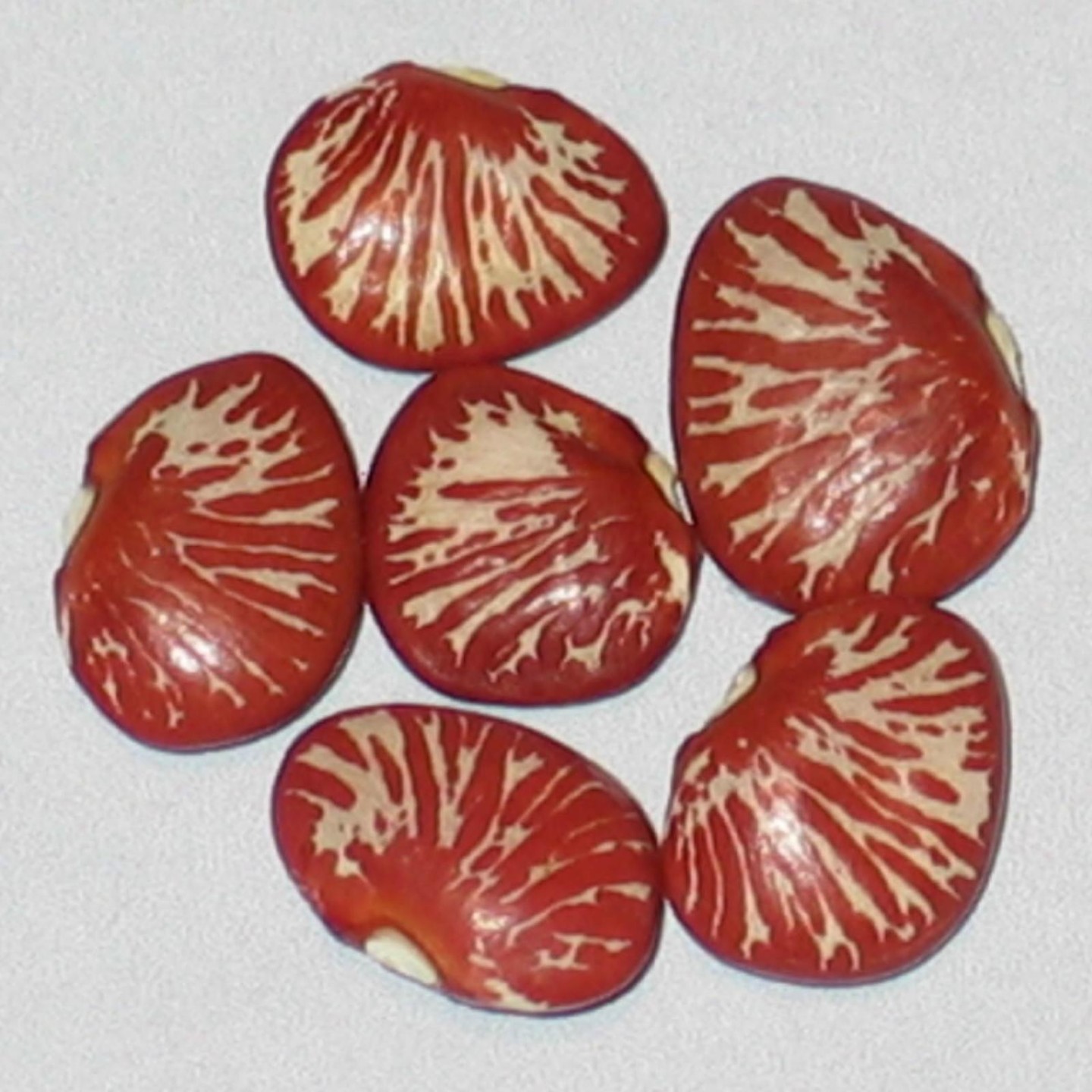
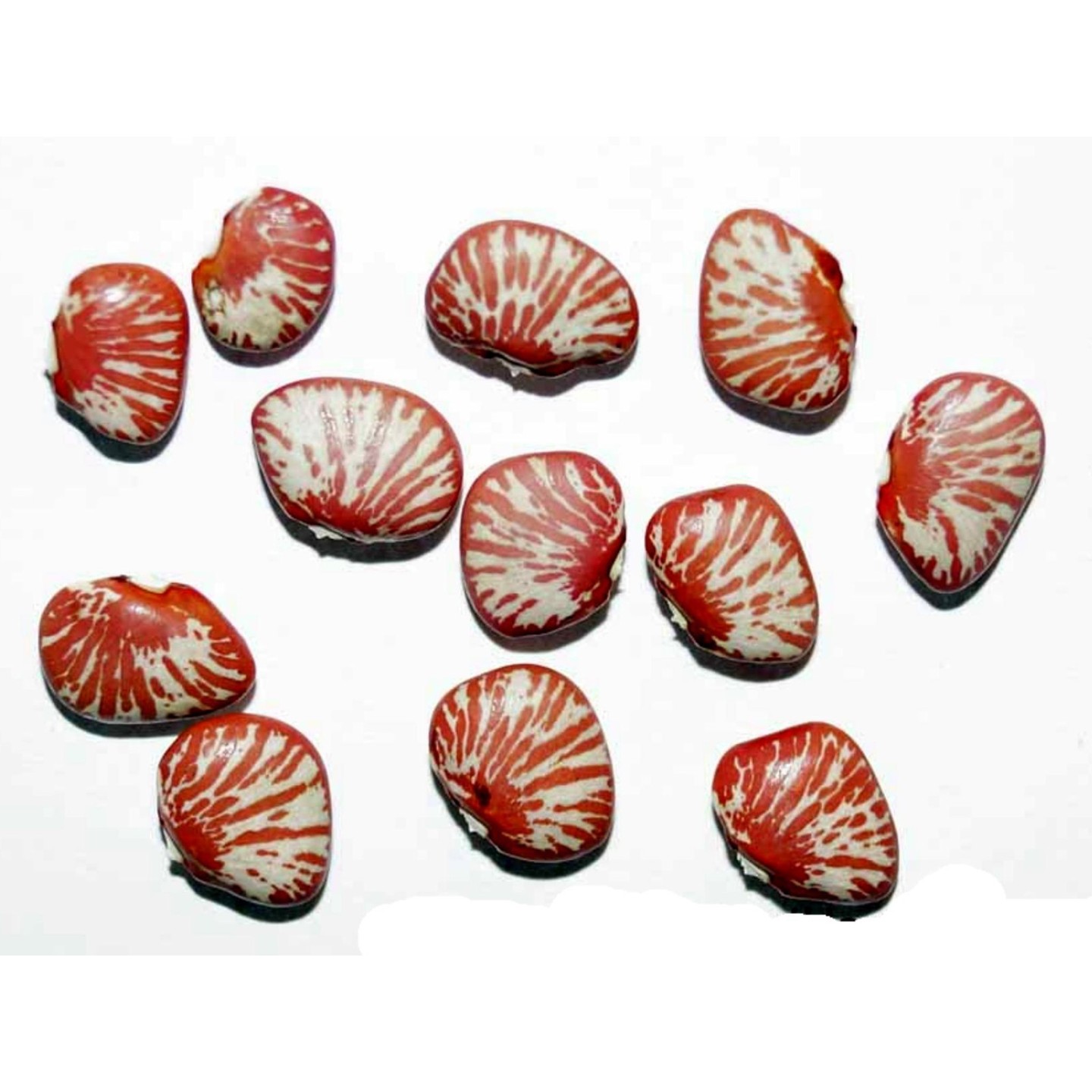
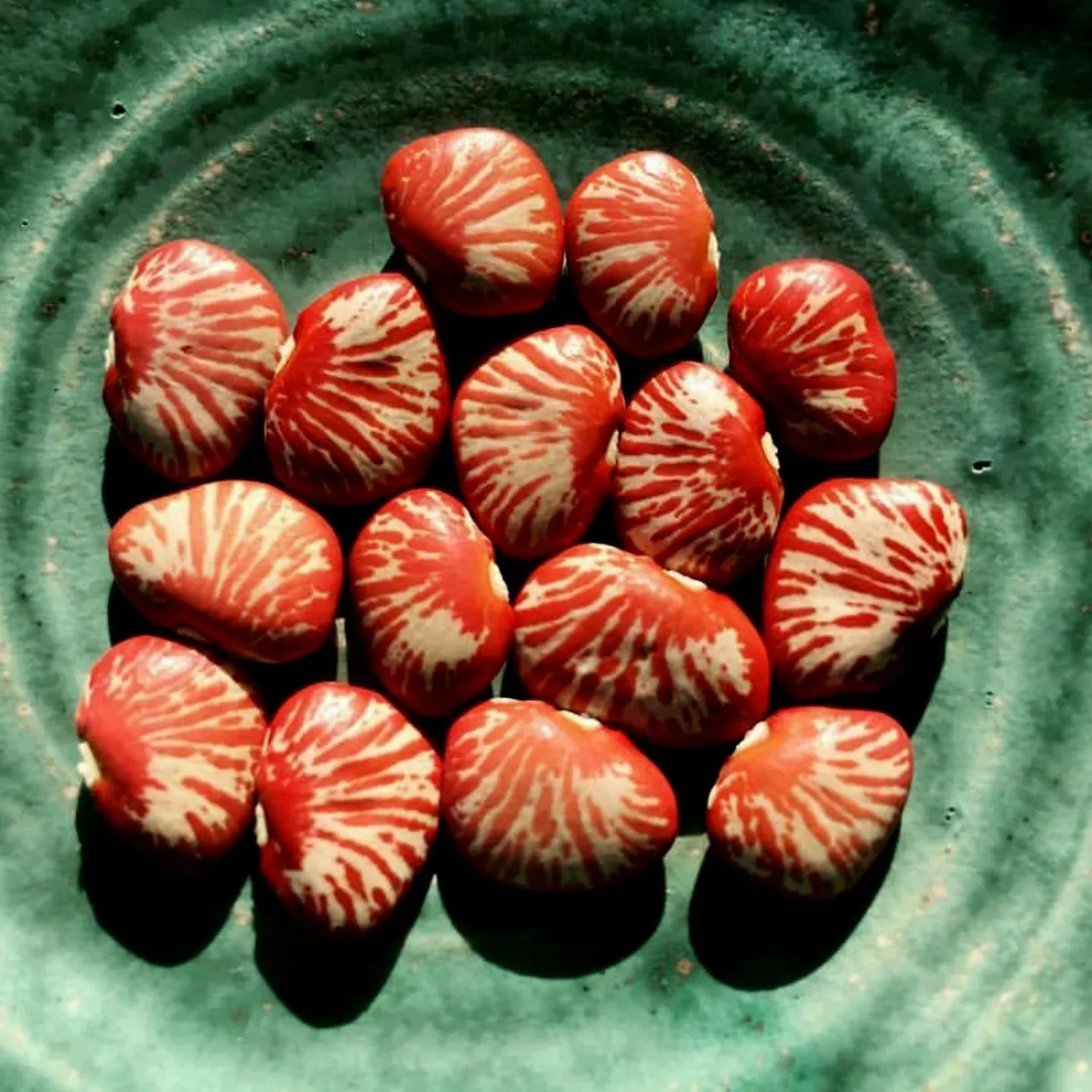
Phaseolus lunatus Ping Zebra is one of many varieties of Lima beans. The appearance of the seed, ie, the grain itself, is called the zebra because it is very specific and completely resembles the zebras stripes.
Phaseolus lunatus, commonly known as the lima bean, butter bean, sieva bean or Madagascar bean is a legume grown for its edible seeds or beans.
Although lima beans have been cultivated in Peru for more than 7,000 years, historians are unsure whether they originated there or in Guatemala. Soon after Columbus' discovery of America, Spanish explorers noticed different varieties of lima beans growing throughout the South America, Central America and the Caribbean. They introduced them to Europe and Asia, while the Portuguese explorers introduced lima beans into Africa. Since lima beans can withstand humid tropical weather better than most beans, they have become an important crop in areas of Africa and Asia. Lima beans were introduced into the United States in the 19th century with the majority of domestic commercial production centered in California.
Lima bean is a herbaceous plant with two main types of growth habit. The perennial form is an indeterminate, vigorous, climbing and trailing plant, up to 2-6 m tall, with axillary flowering only. It has swollen and fleshy roots up to 2 m long. Annual lima bean is a pseudo-determinate, bushy plant, 0.3-0.9 m tall with both terminal and axillary flowering. It has thin roots .The stems may be up to 4.5-8 m long. The leaves are alternate and trifoliate with ovate leaflets, 3-19.5 cm long x 1-11 cm broad. Inflorescences are 15 cm long and bear 24 white or violet bisexual flowers. The fruits are 5-12 cm long, dehiscent pods with 2 to 4 seeds. Seeds are very variable in size, shape and color. Cultivar groups have been distinguished according to seed differences.
Lima bean sprouts, leaves, young pods and green seeds (immature or dry) are edible and eaten as vegetables. The dry seeds are eaten boiled, fried, ground into powder and baked, and used in soups and stews. The vines, leaves and empty pods left after the harvest can serve as fodder, and can be made into hay or silage. Lima bean may be used for green manure or as a cover crop. Lima bean might be valuable in intercropping systems, though only few cultivars are suitable for this.
Health Benefits
Lima beans are a very good source of cholesterol-lowering fiber, as are most other legumes. In addition to lowering cholesterol, lima beans' high fiber content prevents blood sugar levels from rising too rapidly after a meal, making these beans an especially good choice for individuals with diabetes, insulin resistance or hypoglycemia. When combined with whole grains such as rice, lima beans provide virtually fat-free high quality protein. You may already be familiar with beans' fiber and protein, but this is far from all lima beans have to offer.
Lower Your Heart Attack Risk
Lima beans' contribution to heart health lies not just in their fiber, but in the significant amounts of folate, and magnesium these beans supply. Folate helps lower levels of homocysteine, an amino acid that is an intermediate product in an important metabolic process called the methylation cycle. Elevated blood levels of homocysteine are an independent risk factor for heart attack, stroke, or peripheral vascular disease, and are found in between 20-40% of patients with heart disease. It has been estimated that consumption of 100% of the daily value (DV) of folate would, by itself, reduce the number of heart attacks suffered by Americans each year by 10%.
Lima beans' good supply of magnesium puts yet another plus in the column of its beneficial cardiovascular effects. Magnesium is Nature's own calcium channel blocker. When enough magnesium is around, veins and arteries breathe a sigh of relief and relax, which lessens resistance and improves the flow of blood, oxygen and nutrients throughout the body. Studies show that a deficiency of magnesium is not only associated with heart attack but that immediately following a heart attack, lack of sufficient magnesium promotes free radical injury to the heart. Want to literally keep your heart happy? Eat lima beans.
How to Grow Lima Beans
Lima bean is a tender annual. Sow lima beans in the garden 3 to 4 weeks after the average date of the last frost in spring when the soil temperature has warmed to 65° or more for at least 5 days and daytime temperatures are consistently warm. Start lima beans indoors as early as 2 to 3 weeks before the average last frost date in spring for transplanting into the garden. Lima beans require 60 to more than 90 warm, frost-free days to reach harvest depending upon type and variety.
Description
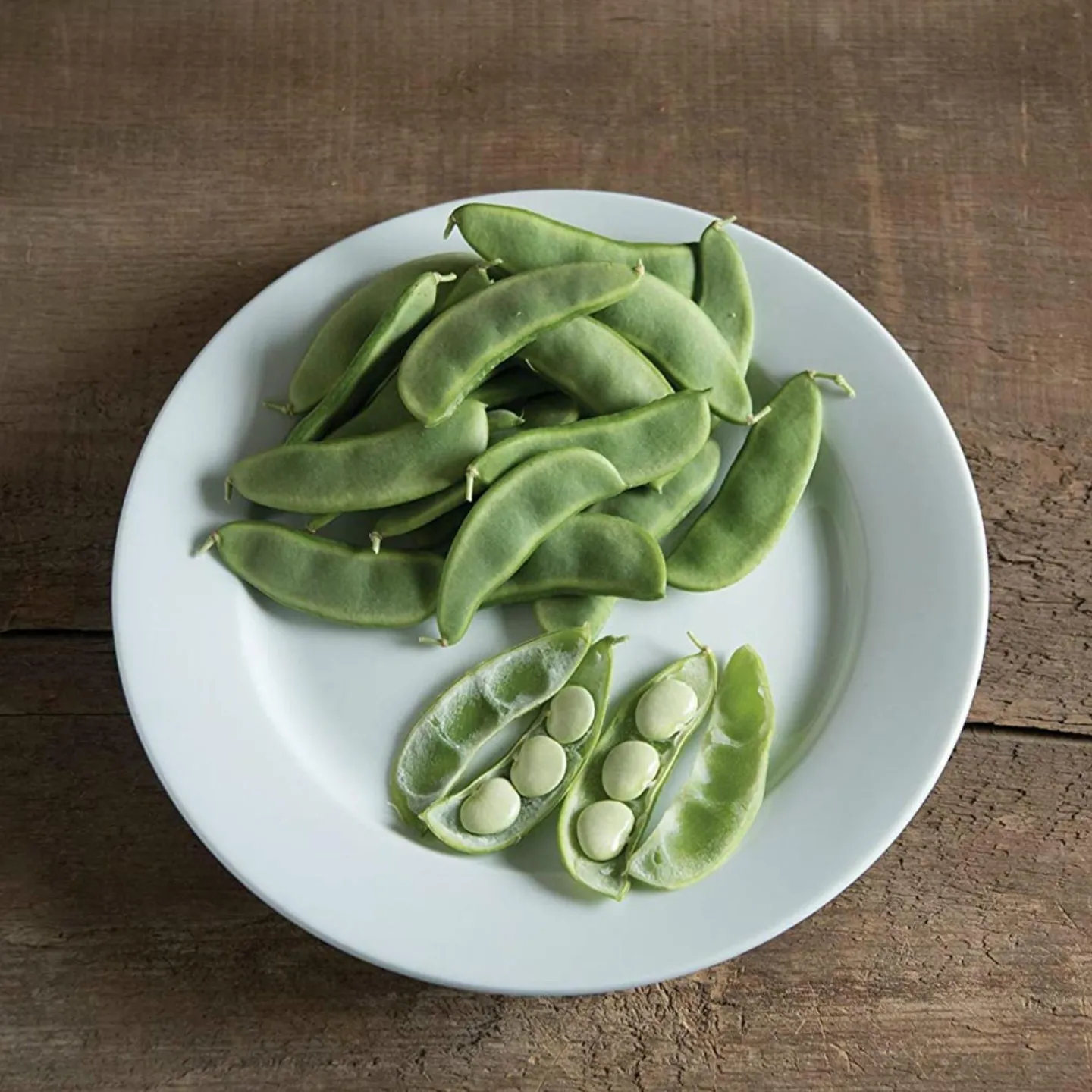
Lima beans are tender annuals grown for their flat, crescent-oval-shaped seeds. There are two types of lima beans: bush and pole or vine varieties. Bush types grow to about 2 feet tall and tend to have smaller seeds; they bear more quickly than pole lima bean varieties. Pole lima beans have large seeds and can grow 10 to 12 feet high. Small-seeded limas, usually bush types, are also called butter beans, sieva beans, Burma beans, Madagascar beans, Carolina beans, and “baby limas.” Large-seeded lima beans are sometimes called potato limas. Large-seeded limas are often sold as dry beans. Lima beans have pale green pods that vary from 3 to 4 inches long to 5 to 8 inches long depending upon variety. Lima bean seeds are eaten, not the pods. Leaves are commonly composed of three leaflets and the flowers are white. Bush lima bean varieties are ready for harvest from 60 to 80 days from sowing; pole bean varieties are ready for harvest in 85 to 90 days.
Yield
Grow 4 to 8 lima bean plants per each household member.
Site
Grow lima beans in full sun; they will grow in partial shade but the harvest will not be full. Lima beans prefer loose, well-drained soil rich in organic matter. Beans prefer a soil pH of 6.0 to 6.8. Prepare planting beds in advance by working in plenty of aged compost. Avoid planting beans where soil nitrogen is high or where green manure crops have just grown; these beans will produce green foliage but few beans.
Planting time
Lima beans are a tender annual that grow best in air temperatures between 60° and 70°F. Sow lima beans in the garden 3 to 4 weeks after the average date of the last frost in spring when the soil temperature has warmed to 65° or more for at least 5 days. Start beans indoors as early as 2 or 3 weeks before the average last frost date in spring for transplanting into the garden 3 or 4 weeks after the last frost. Start beans indoors in a biodegradable peat or paper pot that can be set whole into the garden so as not to disturb plant roots. For continuous harvest through the growing season, sow succession crop bush lima beans every two weeks or follow bush lima beans with long-maturing pole lima beans. Beans can continue in the garden until the first frost in fall. Pole lima beans require a long growing period and are not a good choice where the season is short. Lima beans will not set pods in temperatures above 80°F or in cold or wet weather. Time your plantings to avoid hot weather. In mild-winter regions, lima beans can be sown in autumn for winter harvest.
Planting and spacing
Sow lima beans 1½ to 2 inches deep. Plant bush lima beans 3 to 6 inches apart; set rows 24 to 30 inches apart. Plant pole lima beans 6 to 10 inches apart; set rows 30 to 36 inches apart. Set poles, stakes, or supports in place at planting time. Pole beans also can be planted in inverted hills–5 or 6 seeds to a hill; space hills 40 inches apart. Thin strong seedlings from 4 to 6 inches apart. Remove weaker seedlings by cutting them off at soil level with a scissors being careful not to disturb the roots of other seedlings. Bean can be crowded; they will use each other for support.
Water and feeding
Grow lima beans in soil that is evenly moist and well drained. Bean seeds may crack and germinate poorly if the soil moisture is too high at sowing. Do not soak seeds in advance of planting or they may crack; do not over-water after sowing. Keep the soil evenly moist during flowering and pod formation. Rain or overhead irrigation during flowering can cause flowers and small pods to fall off. Once the soil temperature averages greater than 60°F, mulch to conserve moisture.
Beans are best fertilized with aged garden compost; they do not require extra nitrogen. Beans set up a mutual exchange with soil microorganisms called nitrogen-fixing bacteria which produce the soil nitrogen beans require. Avoid using green manures or nitrogen-rich fertilizers.
Companion plants
Bush beans: cucumbers, corn, cucumbers, celery, potatoes, summer savory. Pole beans: corn, scarlet runner beans, summer savory, sunflowers. Do not plant beans with onions, beets, or kohlrabi.
Care
Large lima bean seed may have trouble pushing through soil that has not been well worked; at sowing, cover the seeds with sand, vermiculite, or a peat moss-vermiculite mix instead. Cultivate around beans carefully to avoid disturbing the shallow root system. Do not handle beans when they are wet; this may spread fungus spores. Set poles, stakes, or trellises in place before planting pole beans. Select supports that are tall enough for the variety being grown. Rotate beans to plots where lettuce, squash, broccoli, Brussels sprouts, cabbage, cauliflower, or collards have grown in the past year or two.
Container growing
Bush lima beans can be grown in containers, but you may need several containers for a practical harvest. Beans will grow in 8-inch containers.
Pests
Beans can be attacked by aphids, bean beetles, flea beetles, leafhoppers and mites. Aphids, leafhoppers, and mites can be sprayed away with a blast of water from the hose or controlled with insecticidal soap. Look for eggs and infestations and crush them between your fingers and thumb. Pinch out and remove large infestations. Aphids can spread bean mosaic virus. Keep the garden clean and free of debris so that pests can not harbor or over-winter in the garden.
Diseases
Beans are susceptible to blight, mosaic, and anthracnose. Plant disease-resistant varieties. Keep the garden clean and free of debris. Avoid handling plants when they are wet so as not to spread fungal spores. Removed diseased plants; put them in a paper bag and throw them away. Beans are susceptible to many soil-borne diseases; rotating beans so that they do not grow in the same location more than every three years will reduce soil-borne diseases.
Harvest
Bush lima beans will be ready for harvest 60 to 80 after sowing; pole beans will be ready for harvest 85 to 90 days after harvest. Pick lima beans when pods are plump and firm. Continue to pick pods as soon as they become plump to extend flowering and the production of new pods. When seeds mature, the plant will die. Pods left too long will result in seeds that are tough and mealy. Bush lima beans should produce 2 or 3 pickings in a season.





Komentarze (0)
Chwilowo nie możesz polubić tej opinii
Zgłoś komentarz
Zgłoszenie wysłane
Twoje zgłoszenie nie może zostać wysłane