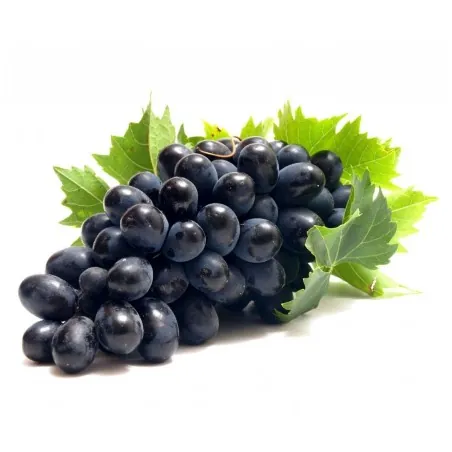
A grape is a fruiting berry of the deciduous woody vines of the botanical genus Vitis. Grapes can be eaten raw or they can be used for making wine, jam, juice, jelly, grape seed extract, raisins, vinegar
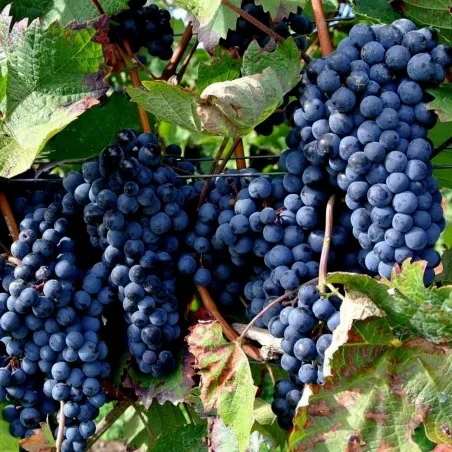
A grape is a fruiting berry of the deciduous woody vines of the botanical genus Vitis. Grapes can be eaten raw or they can be used for making wine, jam, juice, jelly, grape seed extract, raisins, vinegar, and grape seed oil. Grapes are a non-climacteric type of fruit, generally occurring in clusters.
Description
Grapes are a type of fruit that grow in clusters of 15 to 300, and can be crimson, black, dark blue, yellow, green, orange and pink. "White" grapes are actually green in color, and are evolutionarily derived from the purple grape. Mutations in two regulatory genes of white grapes turn off production of anthocyanins, which are responsible for the color of purple grapes. Anthocyanins and other pigment chemicals of the larger family of polyphenols in purple grapes are responsible for the varying shades of purple in red wines. Grapes are typically an ellipsoid shape resembling a prolate spheroid.
History
The cultivation of the domesticated grape began 6,000–8,000 years ago in the Near East. The earliest archeological evidence for a dominant position of wine-making in human culture dates from 8,000 years ago in Georgia.
Yeast, one of the earliest domesticated microorganisms, occurs naturally on the skins of grapes, leading to the innovation of alcoholic drinks such as wine. The earliest known production occurred around 8,000 years ago on the territory of Georgia. During an extensive gene-mapping project, archaeologists analyzed the heritage of more than 110 modern grape cultivars, and narrowed their origin to a region in Georgia, where wine residues were also discovered on the inner surfaces of 8,000-year-old ceramic storage jars. The oldest winery was found in Armenia, dating to around 4000 BC. By the 9th century AD the city of Shiraz was known to produce some of the finest wines in the Middle East. Thus it has been proposed that Syrah red wine is named after Shiraz, a city in Persia where the grape was used to make Shirazi wine. Ancient Egyptian hieroglyphics record the cultivation of purple grapes, and history attests to the ancient Greeks, Phoenicians and Romans growing purple grapes for both eating and wine production. The growing of grapes would later spread to other regions in Europe, as well as North Africa, and eventually in North America.
In North America, native grapes belonging to various species of the Vitis genus proliferate in the wild across the continent, and were a part of the diet of many Native Americans, but were considered by European colonists to be unsuitable for wine. Vitis vinifera cultivars were imported for that purpose.
Distribution and production
According to the Food and Agriculture Organization (FAO), 75,866 square kilometers of the world are dedicated to grapes. Approximately 71% of world grape production is used for wine, 27% as fresh fruit, and 2% as dried fruit. A portion of grape production goes to producing grape juice to be reconstituted for fruits canned "with no added sugar" and "100% natural". The area dedicated to vineyards is increasing by about 2% per year.
There are no reliable statistics that break down grape production by variety. It is believed that the most widely planted variety is Sultana, also known as Thompson Seedless, with at least 3,600 km2. (880,000 acres) dedicated to it. The second most common variety is Airén. Other popular varieties include Cabernet Sauvignon, Sauvignon blanc, Cabernet Franc, Merlot, Grenache, Tempranillo, Riesling and Chardonnay.
Juice
Grape juice is obtained from crushing and blending grapes into a liquid. The juice is often sold in stores or fermented and made into wine, brandy or vinegar. In the wine industry, grape juice that contains 7–23% of pulp, skins, stems and seeds is often referred to as "must". In North America, the most common grape juice is purple and made from Concord grapes while white grape juice is commonly made from Niagara grapes, both of which are varieties of native American grapes, a different species from European wine grapes. In California, Sultana (known there as Thompson Seedless) grapes are sometimes diverted from the raisin or table market to produce white juice.
Health claims
French paradox
Comparing diets among Western countries, researchers have discovered that although the French tend to eat higher levels of animal fat, the incidence of heart disease remains low in France. This phenomenon has been termed the French paradox, and is thought to occur from protective benefits of regularly consuming red wine. Apart from potential benefits of alcohol itself, including reduced platelet aggregation and vasodilation, polyphenols (e.g., resveratrol) mainly in the grape skin provide other suspected health benefits, such as:
Alteration of molecular mechanisms in blood vessels, reducing susceptibility to vascular damage
Decreased activity of angiotensin, a systemic hormone causing blood vessel constriction that would elevate blood pressure
Increased production of the vasodilator hormone, nitric oxide (endothelium-derived relaxing factor)
Although adoption of wine consumption is not recommended by some health authorities, a significant volume of research indicates moderate consumption, such as one glass of red wine a day for women and two for men, may confer health benefits. Emerging evidence is that wine polyphenols like resveratrol provide physiological benefit whereas alcohol itself may have protective effects on the cardiovascular system. More may be seen in the article the Long-term effects of alcohol.
Resveratrol
Synthesized by many plants, resveratrol apparently serves antifungal and other defensive properties. Dietary resveratrol has been shown to modulate the metabolism of lipids and to inhibit oxidation of low-density lipoproteins and aggregation of platelets.
Resveratrol is found in widely varying amounts among grape varieties, primarily in their skins and seeds, which, in muscadine grapes, have about one hundred times higher concentration than pulp. Fresh grape skin contains about 50 to 100 micrograms of resveratrol per gram.
In vitro studies indicate that protection of the genome through antioxidant actions may be a general function of resveratrol. In laboratory studies with mice, resveratrol has transcriptional overlap with the beneficial effects of calorie restriction in heart, skeletal muscle and brain. Both dietary interventions inhibit gene expression associated with heart and skeletal muscle aging, and prevent age-related heart failure.
Resveratrol is the subject of several human clinical trials, among which the most advanced is a one year dietary regimen in a Phase III study of elderly patients with Alzheimer's disease.
Anthocyanins and other phenolics
Anthocyanins tend to be the main polyphenolics in purple grapes whereas flavan-3-ols (i.e. catechins) are the more abundant phenolic in white varieties.[31] Total phenolic content, a laboratory index of antioxidant strength, is higher in purple varieties due almost entirely to anthocyanin density in purple grape skin compared to absence of anthocyanins in white grape skin.[31] It is these anthocyanins that are attracting the efforts of scientists to define their properties for human health.[32] Phenolic content of grape skin varies with cultivar, soil composition, climate, geographic origin, and cultivation practices or exposure to diseases, such as fungal infections.
Red wine may offer health benefits more so than white because potentially beneficial compounds are present in grape skin, and only red wine is fermented with skins. The amount of fermentation time a wine spends in contact with grape skins is an important determinant of its resveratrol content.[33] Ordinary non-muscadine red wine contains between 0.2 and 5.8 mg/L,[34] depending on the grape variety, because it is fermented with the skins, allowing the wine to absorb the resveratrol. By contrast, a white wine contains lower phenolic contents because it is fermented after removal of skins.
Wines produced from muscadine grapes may contain more than 40 mg/L, an exceptional phenolic content. In muscadine skins, ellagic acid, myricetin, quercetin, kaempferol, and trans-resveratrol are major phenolics. Contrary to previous results, ellagic acid and not resveratrol is the major phenolic in muscadine grapes.
The flavonols syringetin, syringetin 3-O-galactoside, laricitrin and laricitrin 3-O-galactoside are also found in purple grape but absent in white grape.
Seed constituents
Main articles: Grape seed extract and Grape seed oil
Biochemical and preliminary clinical studies have demonstrated potential biological properties of grape seed oligomeric procyanidins. For example, laboratory tests indicated a potential anticancer effect from grape seed extract. According to the American Cancer Society, "there is very little reliable scientific evidence available at this time that drinking red wine, eating grapes, or following the grape diet can prevent or treat cancer in people".
Grape seed oil from crushed seeds is used in cosmeceuticals and skincare products for perceived health benefits. Grape seed oil contains tocopherols (vitamin E) and high contents of phytosterols and polyunsaturated fatty acids such as linoleic acid, oleic acid and alpha-linolenic acid.
Concord grape juice
Commercial juice products from Concord grapes have been applied in medical research studies, showing potential benefits against the onset stage of cancer, platelet aggregation and other risk factors of atherosclerosis, loss of physical performance and mental acuity during aging and hypertension in humans.
Uw beoordelingswaardering kan niet worden verzonden
Rapporteer reactie
Bent u zeker dat u deze opmerking wil rapporteren?
Melding verzonden
Uw opmerking is ingediend en zal door een beheerder worden behandeld.
Uw opmerking kan niet worden verzonden
Beoordeling verstuurd
Uw beoordeling is toegevoegd en wordt beschikbaar zodra deze is goedgekeurd.
Uw beoordeling kan niet worden verzonden
🌍 Livrare în toată lumea din UE
Expediem în toată lumea din Uniunea Europeană prin poștă aeriană recomandată, cu semnătură obligatorie la livrare.
📦 Urmărirea comenzii dumneavoastră
Pentru a găsi numărul de urmărire, conectați-vă la contul dumneavoastră și accesați: Istoric comenzi > Detalii. Numărul de urmărire se află direct în detaliile comenzii.
Veți primi notificări prin e-mail pentru fiecare etapă a comenzii dumneavoastră.
Dacă nu vedeți aceste mesaje, vă rugăm să verificați folderul Spam/Junk sau să contactați furnizorul dumneavoastră de e-mail. Alternativ, căutați online cum să deblocați e-mailurile de la expeditor.
SERVICIUL NOSTRU DE E-MAIL FUNCȚIONEAZĂ — Dacă nu primiți e-mailuri, este probabil o problemă cu furnizorul dumneavoastră de e-mail sau cu setările dumneavoastră.
📧 Cum să vă asigurați că e-mailurile de la magazinul nostru online ajung întotdeauna în Inbox
Pentru a preveni marcarea e-mailurilor noastre ca spam, adăugați adresa noastră de e-mail în contactele dumneavoastră:
Deschideți Gmail (sau orice alt furnizor) și găsiți un e-mail de la noi (xxxxxxxxxxxx@xxx.com).
Treceți mouse-ul peste numele sau adresa de e-mail a expeditorului.
Faceți clic pe pictograma "Adaugă în contacte" (pictograma cu persoana mică).
Nu vă putem ajuta dacă setările dumneavoastră nu sunt așa. Contactați furnizorul de e-mail pentru asistență.
Alternativ, creați un filtru în Gmail:
Deschideți Gmail și accesați Setări > Vezi toate setările.
Mergeți la fila Filtre și adrese blocate.
Faceți clic pe Creați un filtru nou și introduceți adresa noastră de e-mail.
Bifați Nu se trimite niciodată în Spam și faceți clic pe Creați filtru.
📍 Urmăriți-vă pachetul
Numărul de urmărire se află în detaliile comenzii dumneavoastră. Vă puteți urmări comanda prin următoarele platforme:
Posta.hr (pentru numere de urmărire de tip RGxxxxxxHR)
⚠️ Notificări importante
Plata la livrare (ramburs) NU este disponibilă.
Când comandați, furnizați întotdeauna un număr de telefon mobil valid cu prefixul țării (de ex. +40 712 345 678).
NU comandați la căsuțe poștale (P.O. Boxes) sau dacă nu puteți fi acasă pentru a semna pentru pachet. Pachetele nu pot fi lăsate la vecini.
Dacă un pachet trimis la o căsuță poștală este pierdut sau nelivrat, nu se va acorda nicio rambursare.
⚖️ Responsabilitatea clientului pentru conformitatea legală
Clientul este responsabil să se asigure că produsul este legal pentru import în țara sa, inclusiv respectarea tuturor reglementărilor de import, obținerea permiselor necesare și plata taxelor vamale aplicabile, a impozitelor și a altor taxe. Vă rugăm să verificați legile locale înainte de a comanda.
🔄 Pachete pierdute, returnate și reexpediate
Clienți din Brazilia și Mexic: Nu putem rambursa pachetele pierdute sau distruse de vamă.
Dacă pachetul dumneavoastră este returnat, vom rambursa doar costul produsului — costurile de transport sunt nerambursabile.
Taxa poștală de returnare (2 €) și orice costuri de reexpediere trebuie acoperite de client.
🚚 Livrarea transportului
Expedierile recomandate necesită semnătură.
Dacă urmărirea arată că pachetul este încă la oficiul poștal de origine, acesta este în tranzit — contactați oficiul poștal local pentru actualizări.
Din păcate, nici noi, nici oficiul poștal prin care a fost trimisă comanda dumneavoastră nu vă putem ajuta cu întrebarea unde se află exact comanda dumneavoastră. Când vedeți că pachetul este în țara dumneavoastră, TREBUIE să contactați oficiul poștal cu numărul de urmărire.
⏱️ Opțiuni de livrare și timp estimat
Opțiune de livrare
Timp de procesare
Note
Priority Delivery
Se expediază în 1–7 zile lucrătoare
Prioritizează procesarea comenzii; posibile întârzieri în timpul sărbătorilor (3–10 zile)
Secured Delivery
Se expediază în 1–7 zile lucrătoare
Disponibil pentru comenzi de până la 150 €; rambursare în caz de pierdere
Standard Delivery
Se expediază în 7–10 zile lucrătoare
Mai economic; posibile întârzieri în timpul sărbătorilor (7–14 zile)
Timp estimat de livrare:
În interiorul UE: 3–20 zile
În restul lumii: 5–30 zile
Notă: Timpul de livrare depinde de locația dumneavoastră și de sistemul poștal local. COVID-19 sau perioadele de sărbători pot cauza întârzieri suplimentare.
💰 Costuri de livrare
Taxele de transport și manipulare sunt calculate automat la finalizarea comenzii pe baza greutății coletului și a destinației.
⏰ Programul de procesare a comenzilor
Nu procesăm și nu expediem comenzi sâmbăta sau duminica.
💳 Opțiuni de plată
Dorim să vă informăm despre o modificare importantă privind taxele de plată. Din păcate, din cauza comisioanelor de tranzacție excepțional de mari impuse de PayPal, suntem forțați să aplicăm o suprataxă pentru plățile efectuate prin serviciul lor.
Cu toate acestea, avem o soluție pentru dumneavoastră! Puteți evita aceste taxe astronomice alegând una dintre metodele noastre alternative de plată cu COMISION ZERO:
✅ Plată cu cardul de credit/debit – comision 0%
✅ Transfer bancar – comision 0%
Transfer bancar (SEPA / IBAN / SWIFT-BIC): Includeți referința comenzii dumneavoastră în descrierea plății. Comenzile fără plată în termen de 4 zile vor fi anulate automat.
PayPal: Plățile sunt acceptate numai în euro. Vă rugăm să selectați euro în timpul procesului de plată.
Plata cu cardul: Acceptăm Visa, MasterCard, American Express, CB, Diners Club, Discover, China UnionPay, JCB și Discover.
⚠️ Comisioane de tranzacție
Clienții sunt responsabili pentru orice comisioane bancare sau taxe de tranzacție PayPal.
📝 Note finale
Înainte de a plasa comanda, verificați întotdeauna site-ul nostru pentru anunțuri speciale, programe de sărbători sau condiții specifice de livrare.


Commentaar (0)
Uw beoordelingswaardering kan niet worden verzonden
Rapporteer reactie
Melding verzonden
Uw opmerking kan niet worden verzonden