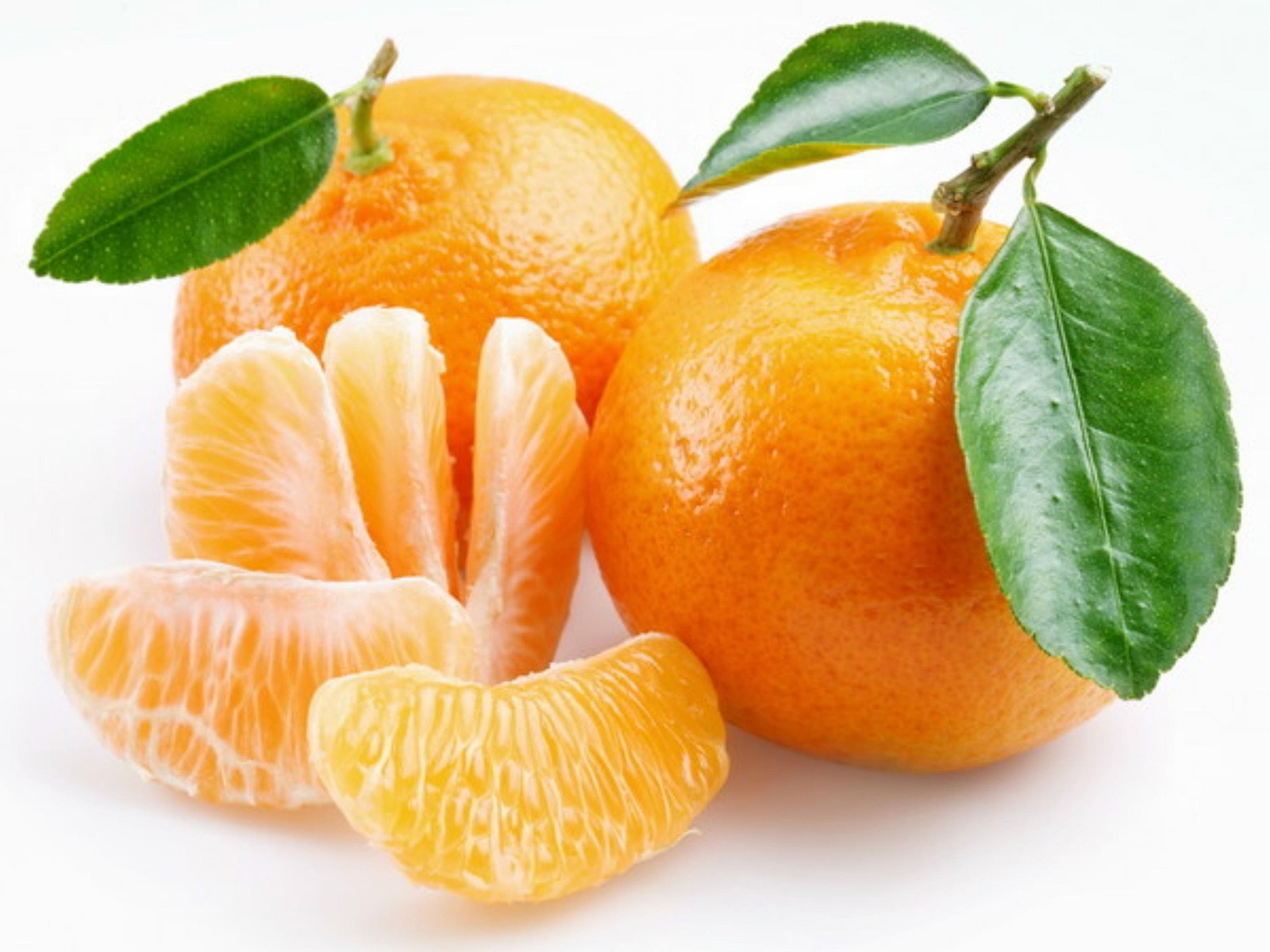
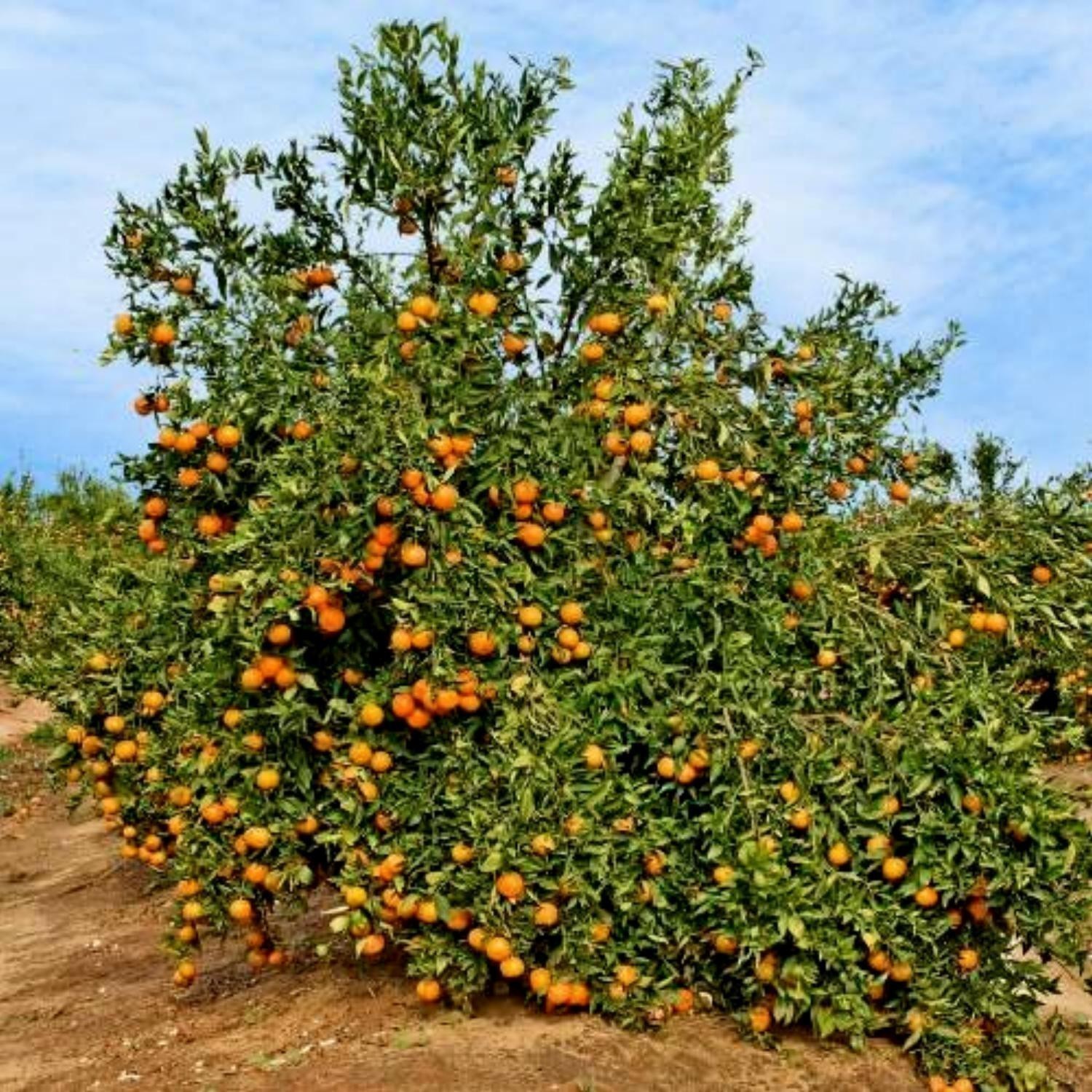
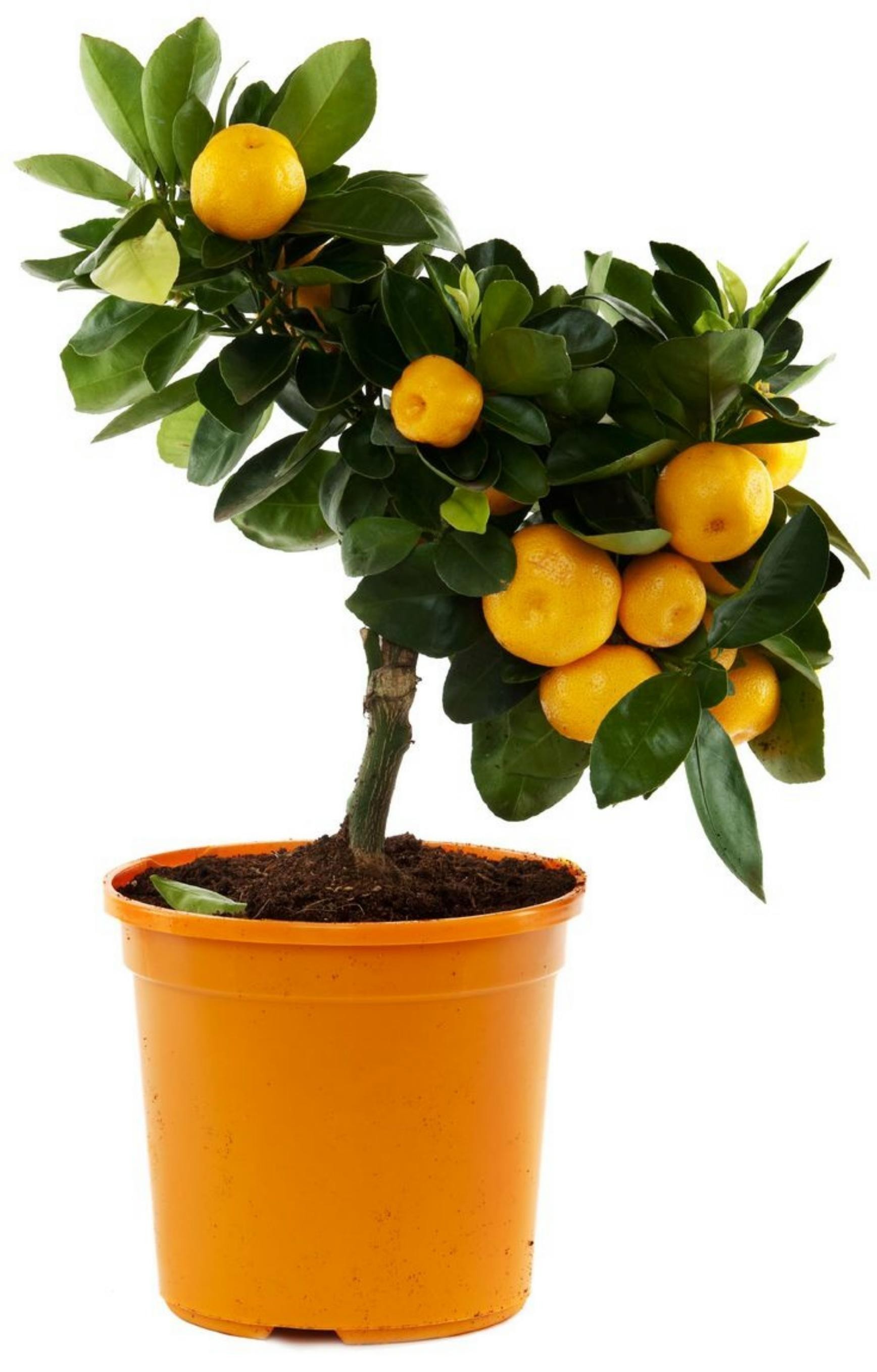
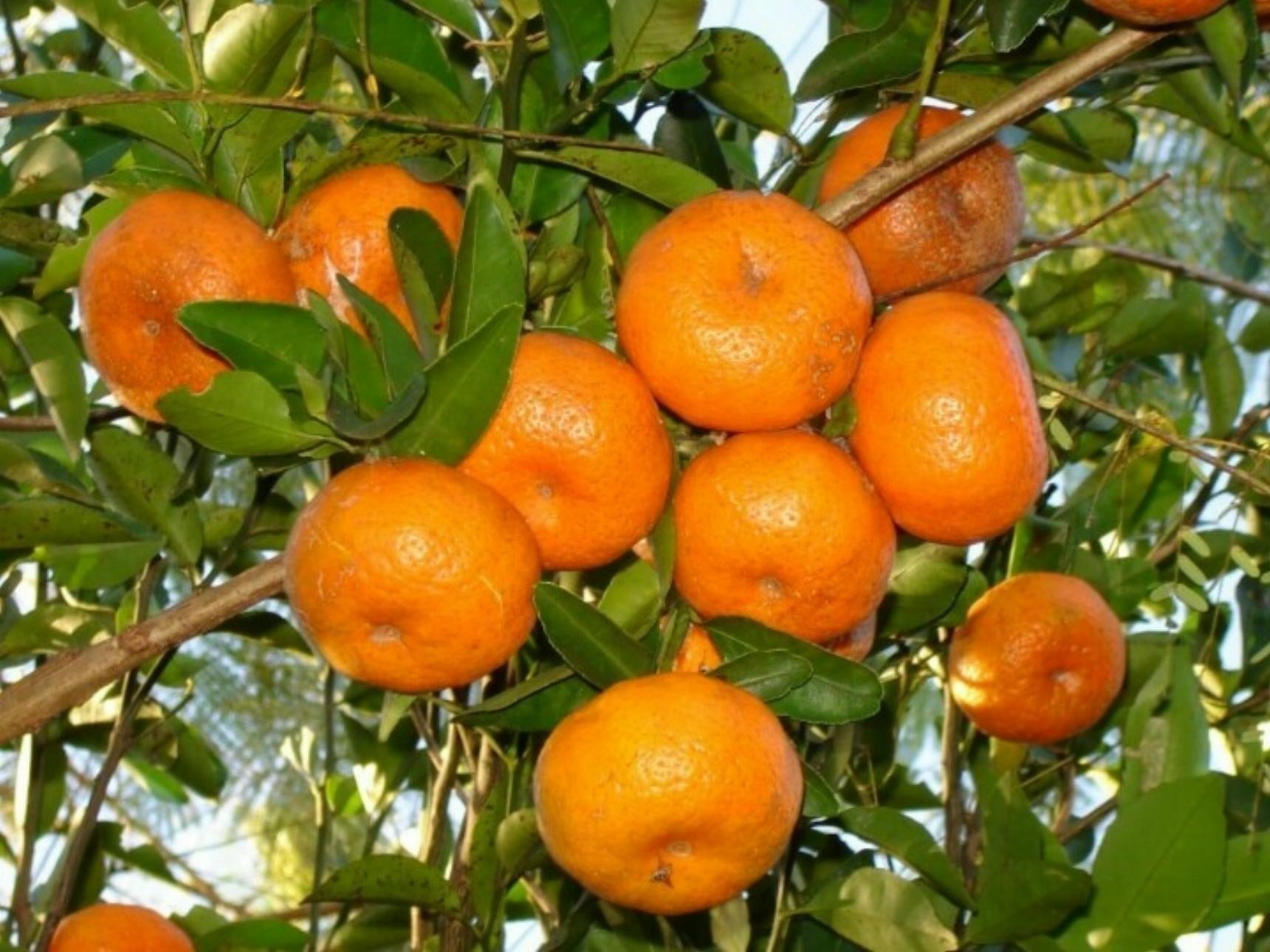
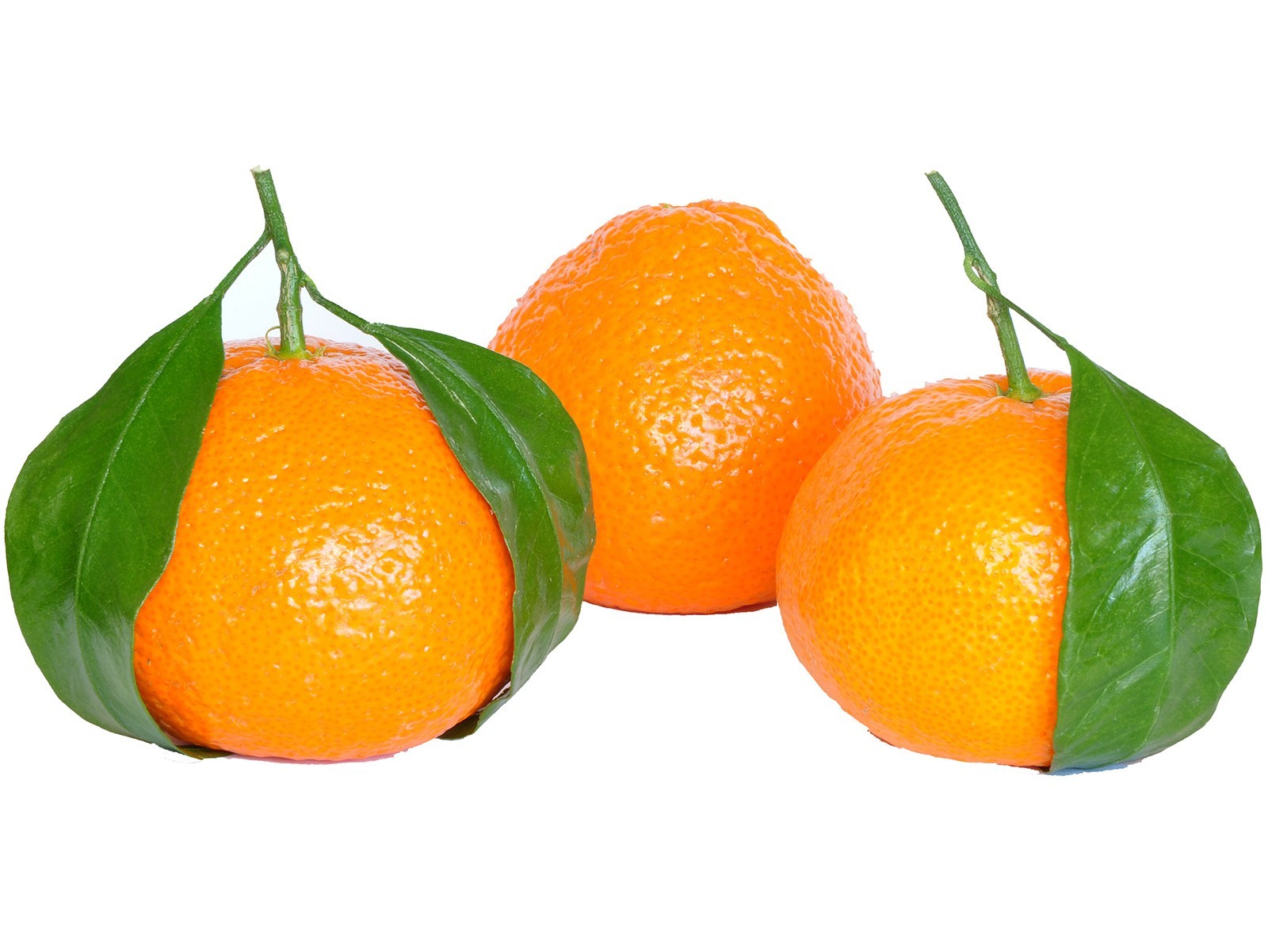
Cold-hardy citrus known for their red-orange fruits. They were once thought to be hybrids derived from oranges, but DNA evidence has established that the common orange is actually a hybrid between the mandarin and the pummelo.
Cold-hardy citrus known for their red-orange fruits. They were once thought to be hybrids derived from oranges, but DNA evidence has established that the common orange is actually a hybrid between the mandarin and the pummelo. Prized because their fruits are very sweet, easy to peel and nearly seedless, many mandarin varieties will produce fruit with seeds when they are grown near other mandarin cultivars.
planting sowing instructions:
Store them in polyethylene storage bags in the vegetable drawer of your refrigerator until you can plant them. Fill the planting pots with sterile potting mix. Plant seeds 1/4 to 1/2 inch deep, then water thoroughly so soil is fully saturated; make sure any excess water drains easily, so soil is not soggy. Place the pots in a warm, sunny window and keep the soil evenly moist until seeds germinate, usually in about two weeks. Repot the seedling trees into larger pots when they are about 4 inches tall. Continue to "pot them up" into larger containers as trees grow. Plant them into your garden --- or a 20-gallon patio container --- when trees are 2 or 3 feet tall. Slowly acclimate them to outdoor growing conditions before transplanting or moving trees outdoors.
Wikipedia:
The Mandarin orange, also known as the mandarin or mandarine (both lower-case), is a small citrus tree (Citrus reticulata) with fruit resembling other oranges. Mandarin oranges are usually eaten plain or in fruit salads. Specifically reddish-orange mandarin cultivars can be marketed as tangerines, but this is not a botanical classification. When exporting began, local Mandarin oranges were named after their port of origin.
The tree is more drought-tolerant than the fruit. The mandarin is tender, and is damaged easily by cold. It can be grown in tropical and subtropical areas.
According to molecular studies,[2] the mandarin, the citron, the pomelo, and the papeda were the ancestors of all other citrus species and their varieties, through breeding or natural hybridization; mandarins are therefore all the more important as the only sweet fruit among the parental species.
Biological characteristics
Citrus fruits are usually self-fertile (needing only a bee to move pollen within the same flower) or parthenocarpic (not needing pollination and therefore seedless, such as the satsuma).
Blossoms from the Dancy cultivar are one exception. They are self-sterile, and therefore must have a pollinator variety to supply pollen, and a high bee population to make a good crop. The fruit is oblate.
Medicinal uses
Mandarin orange peel (cold pressed) essential oil in a clear glass vial
In traditional Chinese medicine, the dried peel of the fruit is used in the regulation of ch'i, and also used to treat abdominal distension, to enhance digestion, and to reduce phlegm
Mandarins have also been used in ayurveda (traditional medicine of India).
The "Clemenules" (or "Nules", the Valencian town where it was bred) accounts for the great majority of clementines produced in the world. Spain alone has over 200,000 acres (800 km2), producing fruit between November and January. Mandarins marketed as tangerines are usually Dancy, Sunburst or Murcott (Honey) cultivars.
Cultural significance
Mandarin oranges, particularly Satsumas from Japan, are a Christmas tradition in Canada, as well as the United States. They are commonly purchased in 5- or 10-pound boxes, individually wrapped in soft green paper, and given in Christmas stockings. This custom goes back to the 1880s, when Japanese immigrants began receiving Japanese mandarin oranges from their families back home as gifts for the New Year. The tradition quickly spread among the non-Japanese population, and Eastwards across the country: each November harvest, "The oranges were quickly unloaded and then shipped east by rail. 'Orange Trains' - trains with boxcars painted orange - alerted everyone along the way that the irresistible oranges from Japan were back again for the holidays. For many, the arrival of Japanese Mandarin oranges signaled the real beginning of the holiday season."
This new tradition merged with older traditions related to the Christmas stocking. Saint Nicholas is said to have put gold coins into the stockings of three poor girls so that they would be able to afford to get married.[7] Sometimes the story is told with gold balls instead of bags of gold, and oranges became a symbolic stand-in for these gold balls, and are put in Christmas stockings in Canada along with chocolate coins wrapped in gold foil.
Importation of these Japanese oranges was suspended due to hostilities with Japan during World War II.[6] While they were one of the first Japanese goods allowed for export after the end of the war, residual hostility led to the rebranding of these oranges as "Mandarin" oranges.
The delivery of the first batch of mandarin oranges from Japan in the port of Vancouver, British Columbia, is greeted with a festival that combines Santa Claus and Japanese dancers—young girls dressed in traditional kimonos.
During Chinese New Year, Mandarin oranges and tangerines are considered traditional symbols of abundance and good fortune. During the two-week celebration, they are frequently displayed as decoration and presented as gifts to friends, relatives, and business associates.
Czy jesteś pewien, że chcesz zgłosić ten komentarz?
Zgłoszenie wysłane
Twój komentarz został wysłany i będzie widoczny po zatwierdzeniu przez moderatora.
Twoje zgłoszenie nie może zostać wysłane
Napisz swoją opinię
Recenzja została wysłana
Twój komentarz został dodany i będzie widoczny jak tylko zatwierdzi go moderator.
Twoja recenzja nie może być wysłana
🌍 Wysyłka na cały świat z UE
Wysyłamy na cały świat z Unii Europejskiej za pośrednictwem zarejestrowanej poczty lotniczej z wymaganym podpisem przy odbiorze.
📦 Śledzenie zamówienia
Aby znaleźć swój numer śledzenia, zaloguj się na swoje konto i przejdź do: Historia zamówień > Szczegóły. Twój numer śledzenia znajduje się bezpośrednio w szczegółach zamówienia.
Będziesz otrzymywać powiadomienia e-mail na każdym etapie zamówienia.
Jeśli nie widzisz tych wiadomości, sprawdź folder Spam/Wiadomości śmieci lub skontaktuj się ze swoim dostawcą e-mail. Alternatywnie poszukaj w Internecie informacji, jak odblokować wiadomości e-mail od nadawcy.
NASZ SERWIS E-MAIL DZIAŁA — Jeśli nie otrzymujesz wiadomości e-mail, prawdopodobnie jest to problem z Twoim dostawcą poczty lub ustawieniami.
📧 Jak zapewnić, aby e-maile z naszego sklepu internetowego zawsze trafiały do Twojej skrzynki odbiorczej
Aby zapobiec oznaczaniu naszych wiadomości jako spam, dodaj nasz adres e-mail do swoich kontaktów:
Otwórz Gmail (lub innego dostawcę) i znajdź e-mail od nas (xxxxxxxxxxxx@xxx.com).
Najedź kursorem na nazwę lub adres e-mail nadawcy.
Kliknij ikonę „Dodaj do kontaktów” (ikonka małej osoby).
Nie możemy Ci pomóc, jeśli Twoje ustawienia nie są skonfigurowane w ten sposób. Skontaktuj się ze swoim dostawcą e-mail, aby uzyskać pomoc.
Alternatywnie utwórz filtr w Gmailu:
Otwórz Gmail i przejdź do Ustawienia > Zobacz wszystkie ustawienia.
Przejdź do karty Filtry i zablokowane adresy.
Kliknij Utwórz nowy filtr i wpisz nasz adres e-mail.
Zaznacz Nigdy nie wysyłaj do spamu i kliknij Utwórz filtr.
📍 Śledź swoją paczkę
Twój numer śledzenia znajduje się w szczegółach zamówienia. Możesz śledzić swoje zamówienie za pośrednictwem następujących platform:
Podczas składania zamówienia zawsze podawaj ważny numer telefonu komórkowego z numerem kierunkowym kraju (np. +48 601 234 567).
NIE zamawiaj do skrytek pocztowych (P.O. Boxes) ani jeśli nie możesz być w domu, aby podpisać odbiór paczki. Paczek nie można zostawiać u sąsiadów.
Jeśli paczka wysłana do skrytki pocztowej zaginie lub nie zostanie doręczona, zwrot pieniędzy nie zostanie przyznany.
⚖️ Odpowiedzialność klienta za zgodność z prawem
Klient jest odpowiedzialny za upewnienie się, że produkt może być legalnie importowany do jego kraju, w tym za przestrzeganie wszystkich przepisów importowych, uzyskanie niezbędnych zezwoleń oraz opłacenie obowiązujących ceł, podatków i innych opłat. Przed złożeniem zamówienia sprawdź lokalne przepisy.
🔄 Paczki zagubione, zwrócone i ponowna wysyłka
Klienci z Brazylii i Meksyku: Nie możemy zwrócić pieniędzy za paczki zagubione lub zniszczone przez urząd celny.
Jeśli Twoja paczka zostanie zwrócona, zwrócimy tylko koszt produktu — koszty wysyłki nie podlegają zwrotowi.
Opłatę za zwrot (2 €) oraz wszelkie koszty ponownej wysyłki musi pokryć klient.
🚚 Dostawa przesyłki
Przesyłki polecone wymagają podpisu.
Jeśli śledzenie pokazuje, że paczka nadal znajduje się w placówce początkowej, oznacza to, że jest w drodze — skontaktuj się ze swoim lokalnym urzędem pocztowym, aby uzyskać aktualne informacje.
Niestety, ani my, ani poczta, za pośrednictwem której wysłano zamówienie, nie możemy pomóc w ustaleniu, gdzie dokładnie znajduje się paczka. Gdy zobaczysz, że paczka jest w Twoim kraju, MUSISZ skontaktować się ze swoją pocztą, podając numer śledzenia.
⏱️ Opcje dostawy i szacowany czas
Opcja dostawy
Czas przetwarzania
Uwagi
Priority Delivery
Wysyłka w ciągu 1–7 dni roboczych
Priorytetowe przetwarzanie; możliwe opóźnienia w okresie świątecznym (3–10 dni)
Secured Delivery
Wysyłka w ciągu 1–7 dni roboczych
Dostępne dla zamówień do 150 €; zwrot pieniędzy w przypadku zagubienia
Standard Delivery
Wysyłka w ciągu 7–10 dni roboczych
Bardziej ekonomiczna; możliwe opóźnienia w okresie świątecznym (7–14 dni)
Szacowany czas dostawy:
Wewnątrz UE: 3–20 dni
Reszta świata: 5–30 dni
Uwaga: Czas dostawy zależy od Twojej lokalizacji i lokalnego systemu pocztowego. COVID-19 lub sezony świąteczne mogą powodować dodatkowe opóźnienia.
💰 Koszty wysyłki
Koszty wysyłki i obsługi są obliczane automatycznie podczas składania zamówienia na podstawie wagi paczki i miejsca przeznaczenia.
⏰ Godziny przetwarzania zamówień
Nie przetwarzamy ani nie wysyłamy zamówień w soboty i niedziele.
💳 Opcje płatności
Chcielibyśmy poinformować o ważnej zmianie dotyczącej opłat za płatności. Niestety, ze względu na wyjątkowo wysokie opłaty transakcyjne nakładane przez PayPal, jesteśmy zmuszeni doliczać dopłatę do płatności dokonywanych za pośrednictwem ich serwisu.
Mamy jednak dla Ciebie rozwiązanie! Możesz uniknąć tych astronomicznych opłat, wybierając jedną z naszych alternatywnych metod płatności z PROWIZJĄ 0%:
✅ Płatność kartą kredytową/debetową – 0% prowizji
✅ Przelew bankowy – 0% prowizji
Przelew bankowy (SEPA / IBAN / SWIFT-BIC): W opisie płatności podaj numer referencyjny zamówienia. Zamówienia nieopłacone w ciągu 4 dni zostaną automatycznie anulowane.
PayPal: Płatności są akceptowane wyłącznie w euro. Prosimy o wybranie euro podczas finalizacji zakupu.
Płatność kartą: Akceptujemy karty Visa, MasterCard, American Express, CB, Diners Club, Discover, China UnionPay, JCB i Discover.
⚠️ Opłaty transakcyjne
Klienci są odpowiedzialni za wszelkie bankowe lub transakcyjne opłaty PayPal.
📝 Uwagi końcowe
Przed złożeniem zamówienia zawsze sprawdzaj naszą stronę internetową pod kątem specjalnych ogłoszeń, harmonogramów świątecznych lub określonych warunków wysyłki.