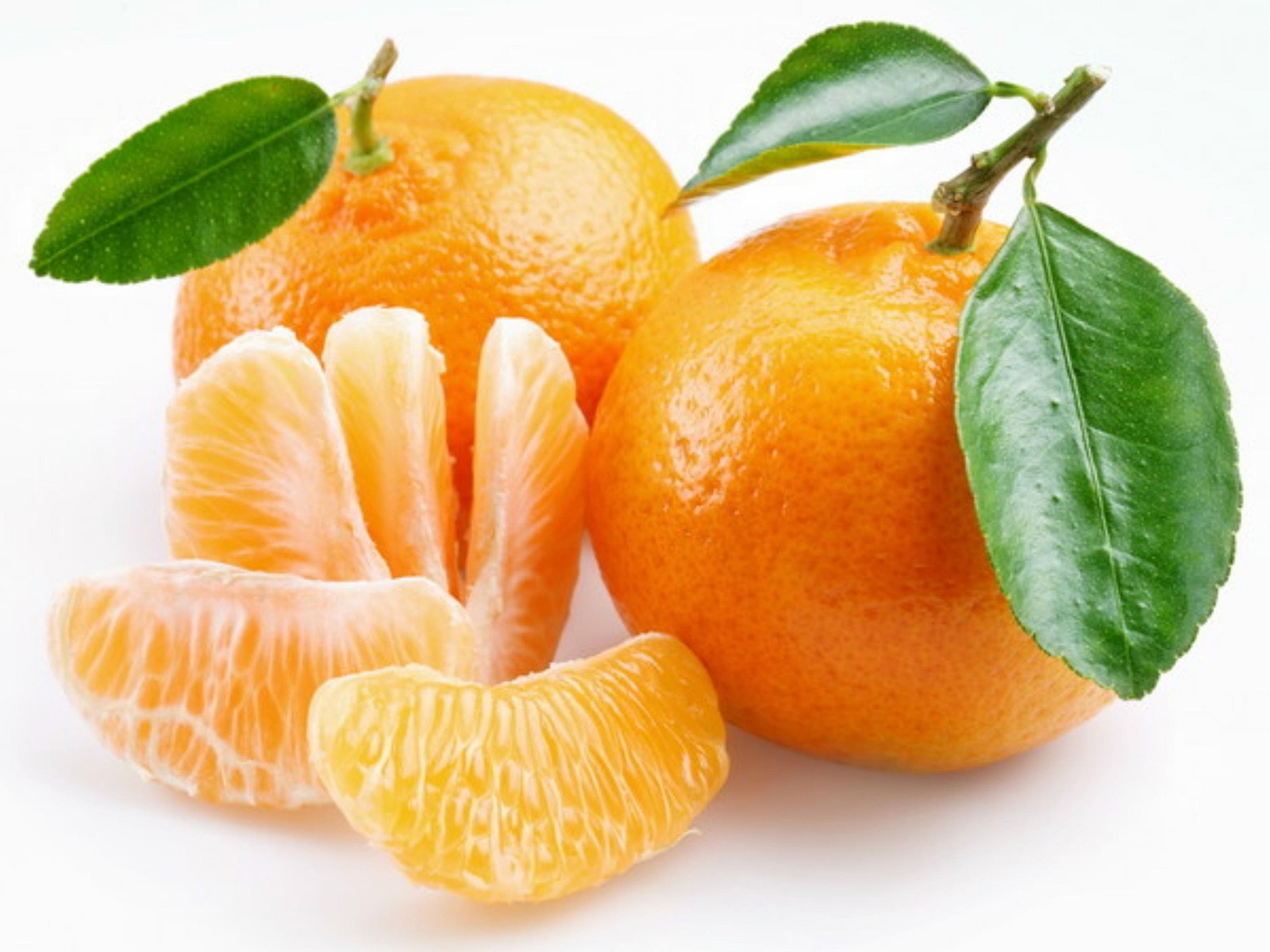
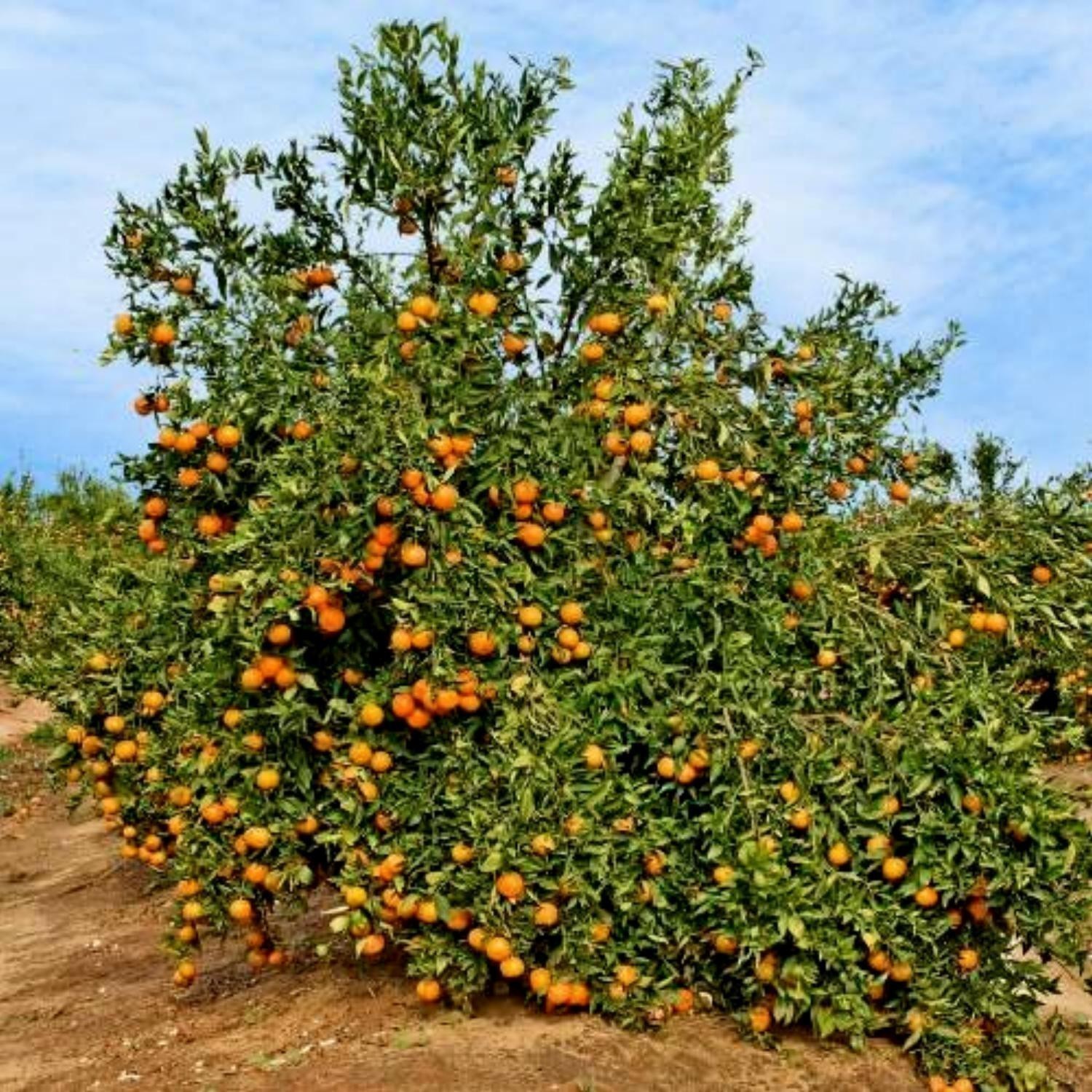
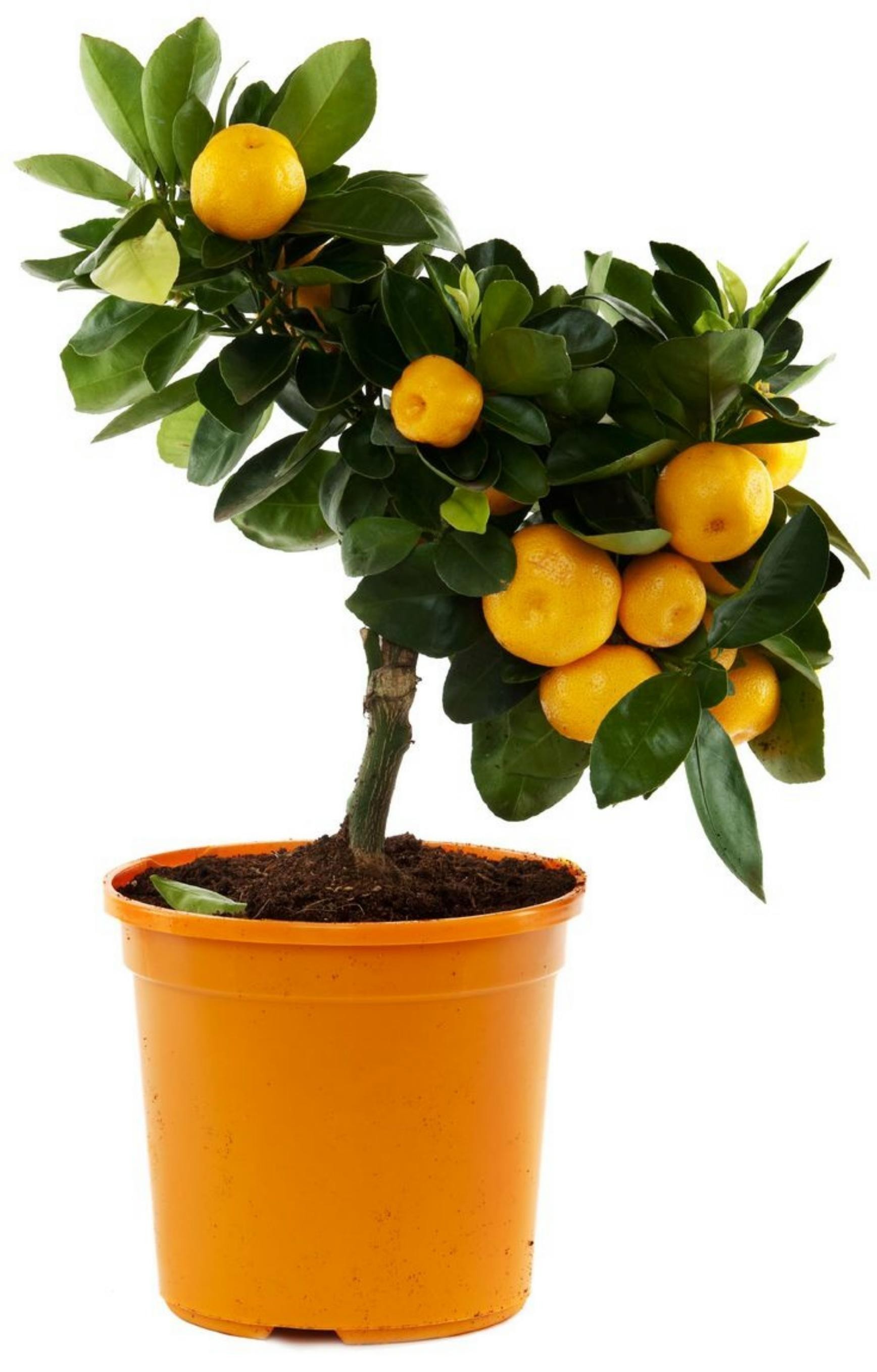
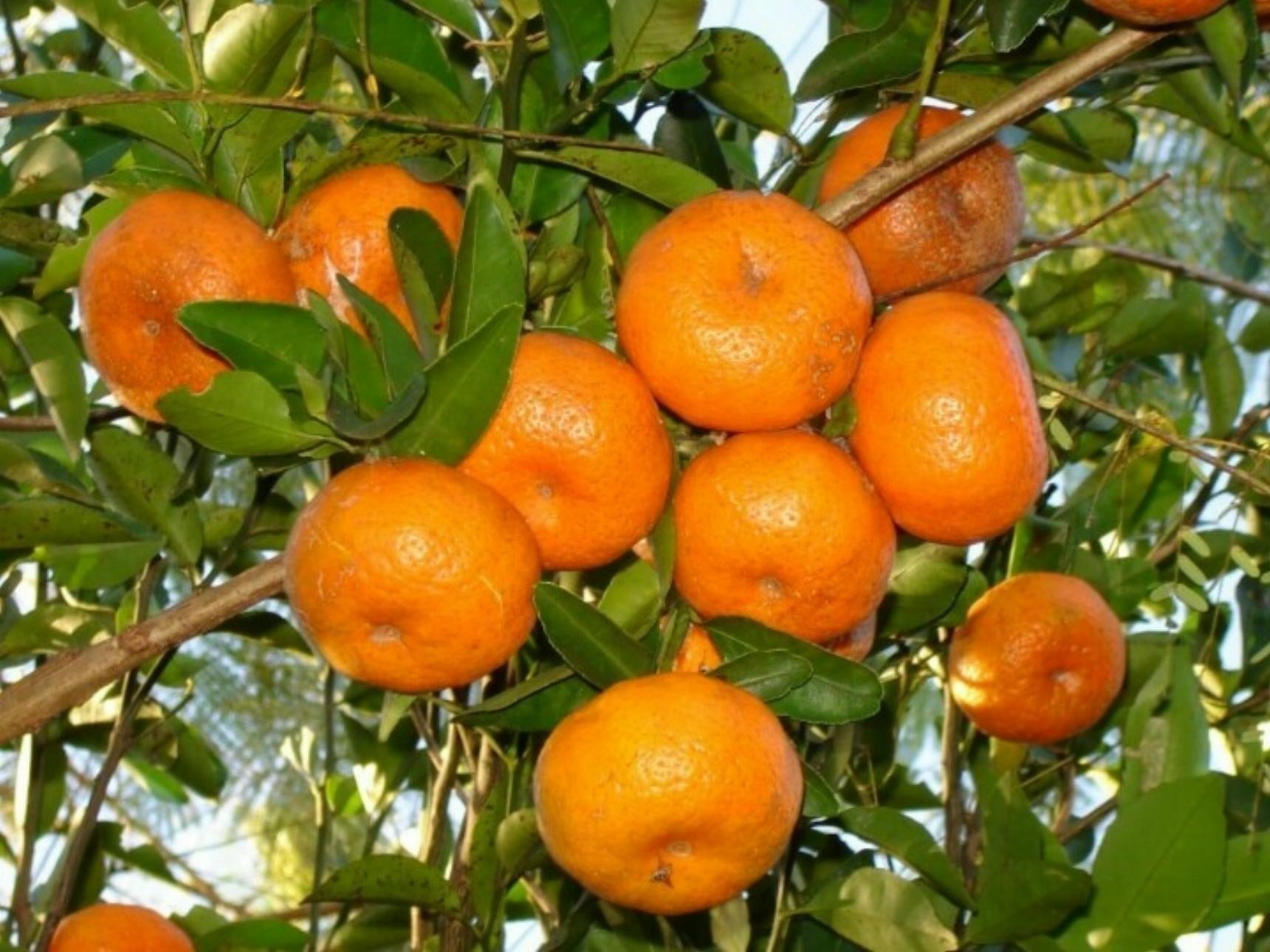
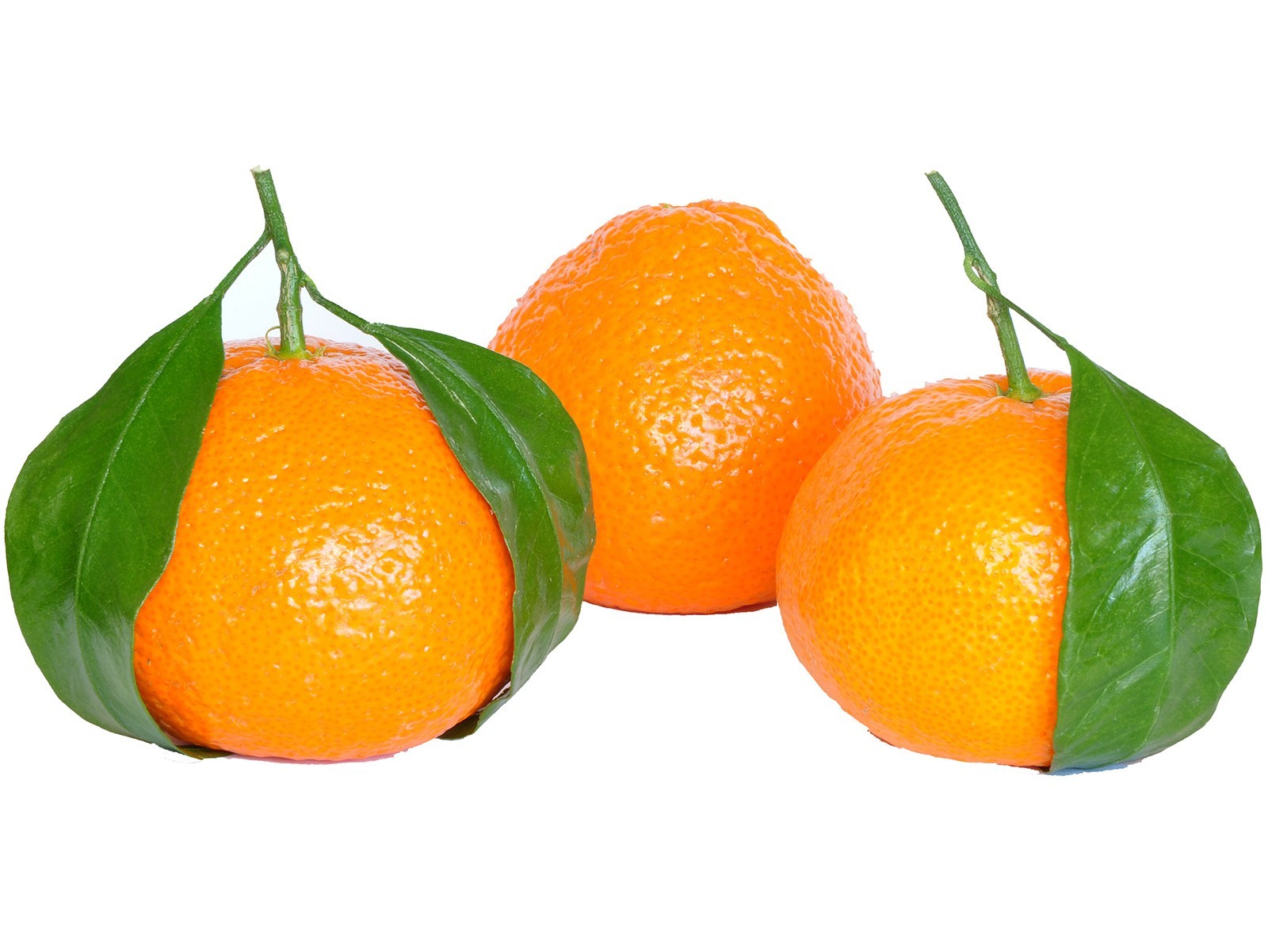
Cold-hardy citrus known for their red-orange fruits. They were once thought to be hybrids derived from oranges, but DNA evidence has established that the common orange is actually a hybrid between the mandarin and the pummelo.
Cold-hardy citrus known for their red-orange fruits. They were once thought to be hybrids derived from oranges, but DNA evidence has established that the common orange is actually a hybrid between the mandarin and the pummelo. Prized because their fruits are very sweet, easy to peel and nearly seedless, many mandarin varieties will produce fruit with seeds when they are grown near other mandarin cultivars.
planting sowing instructions:
Store them in polyethylene storage bags in the vegetable drawer of your refrigerator until you can plant them. Fill the planting pots with sterile potting mix. Plant seeds 1/4 to 1/2 inch deep, then water thoroughly so soil is fully saturated; make sure any excess water drains easily, so soil is not soggy. Place the pots in a warm, sunny window and keep the soil evenly moist until seeds germinate, usually in about two weeks. Repot the seedling trees into larger pots when they are about 4 inches tall. Continue to "pot them up" into larger containers as trees grow. Plant them into your garden --- or a 20-gallon patio container --- when trees are 2 or 3 feet tall. Slowly acclimate them to outdoor growing conditions before transplanting or moving trees outdoors.
Wikipedia:
The Mandarin orange, also known as the mandarin or mandarine (both lower-case), is a small citrus tree (Citrus reticulata) with fruit resembling other oranges. Mandarin oranges are usually eaten plain or in fruit salads. Specifically reddish-orange mandarin cultivars can be marketed as tangerines, but this is not a botanical classification. When exporting began, local Mandarin oranges were named after their port of origin.
The tree is more drought-tolerant than the fruit. The mandarin is tender, and is damaged easily by cold. It can be grown in tropical and subtropical areas.
According to molecular studies,[2] the mandarin, the citron, the pomelo, and the papeda were the ancestors of all other citrus species and their varieties, through breeding or natural hybridization; mandarins are therefore all the more important as the only sweet fruit among the parental species.
Biological characteristics
Citrus fruits are usually self-fertile (needing only a bee to move pollen within the same flower) or parthenocarpic (not needing pollination and therefore seedless, such as the satsuma).
Blossoms from the Dancy cultivar are one exception. They are self-sterile, and therefore must have a pollinator variety to supply pollen, and a high bee population to make a good crop. The fruit is oblate.
Medicinal uses
Mandarin orange peel (cold pressed) essential oil in a clear glass vial
In traditional Chinese medicine, the dried peel of the fruit is used in the regulation of ch'i, and also used to treat abdominal distension, to enhance digestion, and to reduce phlegm
Mandarins have also been used in ayurveda (traditional medicine of India).
The "Clemenules" (or "Nules", the Valencian town where it was bred) accounts for the great majority of clementines produced in the world. Spain alone has over 200,000 acres (800 km2), producing fruit between November and January. Mandarins marketed as tangerines are usually Dancy, Sunburst or Murcott (Honey) cultivars.
Cultural significance
Mandarin oranges, particularly Satsumas from Japan, are a Christmas tradition in Canada, as well as the United States. They are commonly purchased in 5- or 10-pound boxes, individually wrapped in soft green paper, and given in Christmas stockings. This custom goes back to the 1880s, when Japanese immigrants began receiving Japanese mandarin oranges from their families back home as gifts for the New Year. The tradition quickly spread among the non-Japanese population, and Eastwards across the country: each November harvest, "The oranges were quickly unloaded and then shipped east by rail. 'Orange Trains' - trains with boxcars painted orange - alerted everyone along the way that the irresistible oranges from Japan were back again for the holidays. For many, the arrival of Japanese Mandarin oranges signaled the real beginning of the holiday season."
This new tradition merged with older traditions related to the Christmas stocking. Saint Nicholas is said to have put gold coins into the stockings of three poor girls so that they would be able to afford to get married.[7] Sometimes the story is told with gold balls instead of bags of gold, and oranges became a symbolic stand-in for these gold balls, and are put in Christmas stockings in Canada along with chocolate coins wrapped in gold foil.
Importation of these Japanese oranges was suspended due to hostilities with Japan during World War II.[6] While they were one of the first Japanese goods allowed for export after the end of the war, residual hostility led to the rebranding of these oranges as "Mandarin" oranges.
The delivery of the first batch of mandarin oranges from Japan in the port of Vancouver, British Columbia, is greeted with a festival that combines Santa Claus and Japanese dancers—young girls dressed in traditional kimonos.
During Chinese New Year, Mandarin oranges and tangerines are considered traditional symbols of abundance and good fortune. During the two-week celebration, they are frequently displayed as decoration and presented as gifts to friends, relatives, and business associates.
Uw beoordelingswaardering kan niet worden verzonden
Rapporteer reactie
Bent u zeker dat u deze opmerking wil rapporteren?
Melding verzonden
Uw opmerking is ingediend en zal door een beheerder worden behandeld.
Uw opmerking kan niet worden verzonden
Schrijf uw recensie
Beoordeling verstuurd
Uw beoordeling is toegevoegd en wordt beschikbaar zodra deze is goedgekeurd.
Uw beoordeling kan niet worden verzonden
🌍 Wereldwijde verzending vanuit de EU
Wij verzenden wereldwijd vanuit de Europese Unie via aangetekende luchtpost met handtekening voor ontvangst bij levering.
📦 Uw bestelling volgen
Om uw trackingnummer te vinden, logt u in op uw account en gaat u naar: Bestelgeschiedenis > Details. Uw trackingnummer bevindt zich direct in de bestelgegevens.
U ontvangt e-mailmeldingen voor elke fase van uw bestelling.
Als u deze berichten niet ziet, controleer dan uw map Spam/Ongewenste e-mail of neem contact op met uw e-mailprovider. Zoek anders online naar hoe u e-mails van afzenders kunt deblokkeren.
ONZE E-MAILSERVICE WERKT — Als u geen e-mails ontvangt, ligt dit waarschijnlijk aan uw e-mailprovider of instellingen.
📧 Hoe u ervoor zorgt dat e-mails van onze webshop altijd in uw inbox terechtkomen
Om te voorkomen dat onze e-mails als spam worden gemarkeerd, voegt u ons e-mailadres toe aan uw contacten:
Open Gmail (of een andere provider) en zoek een e-mail van ons (xxxxxxxxxxxx@xxx.com).
Beweeg de muis over de naam of het e-mailadres van de afzender.
Klik op het icoon "Toevoegen aan contacten" (het poppetje).
We kunnen u niet helpen als uw instellingen niet zo staan. Neem contact op met uw e-mailprovider voor hulp.
Als alternatief kunt u een filter maken in Gmail:
Open Gmail en ga naar Instellingen > Alle instellingen bekijken.
Ga naar het tabblad Filters en geblokkeerde adressen.
Klik op Nieuw filter maken en voer ons e-mailadres in.
Vink Nooit naar Spam verzenden aan en klik op Filter maken.
📍 Uw pakket volgen
Uw trackingnummer staat in uw bestelgegevens. U kunt uw bestelling volgen via de volgende platforms:
Geef bij het bestellen altijd een geldig mobiel nummer op met landnummer (bijv. +31 6 1234 5678).
Bestel NIET naar postbussen (P.O. Boxes) of als u niet thuis kunt zijn om voor het pakket te tekenen. Pakketten kunnen niet bij de buren worden afgegeven.
Als een pakket dat naar een postbus is verzonden verloren gaat of niet wordt bezorgd, vindt er geen terugbetaling plaats.
⚖️ Verantwoordelijkheid van de klant voor wettelijke naleving
De klant is verantwoordelijk om ervoor te zorgen dat het product legaal in zijn land mag worden geïmporteerd, inclusief naleving van alle importvoorschriften, het verkrijgen van de nodige vergunningen en de betaling van toepasselijke douanerechten, belastingen en andere kosten. Controleer uw lokale wetgeving voordat u bestelt.
🔄 Verloren, geretourneerde en opnieuw verzonden pakketten
Klanten uit Brazilië en Mexico: We kunnen geen pakketten terugbetalen die door de douane zijn verloren of vernietigd.
Als uw pakket wordt geretourneerd, betalen we alleen de productkosten terug — verzendkosten worden niet gerestitueerd.
Retourkosten (€2) en eventuele kosten voor opnieuw verzenden zijn voor rekening van de klant.
🚚 Levering van de zending
Aangetekende zendingen vereisen een handtekening.
Als de tracking aangeeft dat het pakket nog op het postkantoor van herkomst is, is het onderweg — neem contact op met uw lokale postkantoor voor updates.
Helaas kunnen wij, noch het postkantoor waardoor uw bestelling is verzonden, u helpen met de vraag waar uw bestelling zich precies bevindt. Wanneer u ziet dat het pakket in uw land is, MOET u contact opnemen met uw postkantoor met het trackingnummer.
⏱️ Leveringsopties & geschatte tijden
Leveringsoptie
Verwerkingstijd
Opmerkingen
Priority Delivery
Verzonden binnen 1–7 werkdagen
Prioriteit bij orderverwerking; vertragingen mogelijk tijdens feestdagen (3–10 dagen)
Secured Delivery
Verzonden binnen 1–7 werkdagen
Beschikbaar voor bestellingen tot €150; terugbetaling bij verlies
Standard Delivery
Verzonden binnen 7–10 werkdagen
Voordeliger; vertragingen mogelijk tijdens feestdagen (7–14 dagen)
Geschatte levertijden:
Binnen de EU: 3–20 dagen
Wereldwijd: 5–30 dagen
Opmerking: Levertijden zijn afhankelijk van uw locatie en het lokale postsysteem. COVID-19 of feestdagen kunnen extra vertraging veroorzaken.
💰 Verzendkosten
Verzend- en administratiekosten worden automatisch berekend bij het afrekenen op basis van het gewicht van het pakket en de bestemming.
⏰ Verwerkingstijden
Wij verwerken of verzenden geen bestellingen op zaterdag of zondag.
💳 Betalingsmogelijkheden
Wij willen u informeren over een belangrijke wijziging met betrekking tot de betalingskosten. Helaas zijn wij, vanwege de uitzonderlijk hoge transactiekosten die PayPal in rekening brengt, genoodzaakt een toeslag toe te passen voor betalingen die via hun service worden gedaan.
We hebben echter een oplossing voor u! U kunt deze astronomische kosten vermijden door te kiezen voor een van onze alternatieve betaalmethoden met NUL COMMISSIE:
✅ Creditcard/Betaalpas betaling – 0% Kosten
✅ Bankoverschrijving – 0% Kosten
Bankoverschrijving (SEPA / IBAN / SWIFT-BIC): Vermeld uw bestelreferentie in de betalingsomschrijving. Bestellingen zonder betaling binnen 4 dagen worden automatisch geannuleerd.
PayPal: Betalingen worden alleen in Euro geaccepteerd. Selecteer Euro tijdens het afrekenen.
Kaartbetaling: Wij accepteren Visa, MasterCard, American Express, CB, Diners Club, Discover, China UnionPay, JCB en Discover.
⚠️ Transactiekosten
Klanten zijn verantwoordelijk voor eventuele bank- of PayPal-transactiekosten.
📝 Slotopmerkingen
Controleer voor het plaatsen van uw bestelling altijd onze website voor speciale mededelingen, vakantieschema's of specifieke verzendvoorwaarden.