عرعر شائع بذور
عرعر شائع بذور
ثمن عبوة من 20+ بذرة (10 فواكه).
العرعر الشائع نوع نباتي شجري من جنس العرعر يتبع الفصيلة السروية. هذا النوع هو الأكثر انتشارًا بين جميع الأنواع الشجرية، حيث ينتشر بين مناطق جنوب القطب الشمالي إلى خط العرض 30 في أوروبا وآسيا وأمريكا الشمالية.[3]
عرعر شائع بذور
ثمن عبوة من 20+ بذرة (10 فواكه).
العرعر الشائع نوع نباتي شجري من جنس العرعر يتبع الفصيلة السروية. هذا النوع هو الأكثر انتشارًا بين جميع الأنواع الشجرية، حيث ينتشر بين مناطق جنوب القطب الشمالي إلى خط العرض 30 في أوروبا وآسيا وأمريكا الشمالية.[3]
Common Names: Common Juniper, Dwarf Juniper, Ground Juniper, Hackmatack, Hapusha, Horse Savin, Juniper, Juniper Bark, Juniper Berry, Juniper Bush, Kuei, Melmot Berry, Mountain Berry
Synonyms: Genevrier. Ginepro. Enebro. Gemeiner Wachholder, Genevrier, Ginepro, Enebro, Baccae Juniperi, Enebro, Genevrier, Ginepro, Juniperus communis, Kuli, Wacholder
German=Wacholder, French=Genievre, Spanish=Junipero, Italian=Ginepro, Chinese=Kuli, Pin Yin=Du Song Zi.
Forms: Juniper berry tea or tincture, fresh whole or dried powdered juniper berries
Used plant part: The berry-like cones. They take two years to mature. Fruit, essential oil, cade oil. The ripe, carefully dried fruits, leaves.
Habitat: Europe. North Africa. North Asia. North America.
Flowering time: Late spring and early summer.
Astrology: A solar shrub.
Sensory quality: Aromatic with a sweet accent, similar to the South American pink pepper. See also licorice for a discussion of sweet spices.
Aroma and flavor: The fruit, or berry, of this species is used to flavour foods and alcoholic beverages, particularly gin, which is named after Juniperus through the French genievre. Juniper berries have a fragrant, spicy aroma and a slightly bittersweet flavor.
WIKIPEDIA:
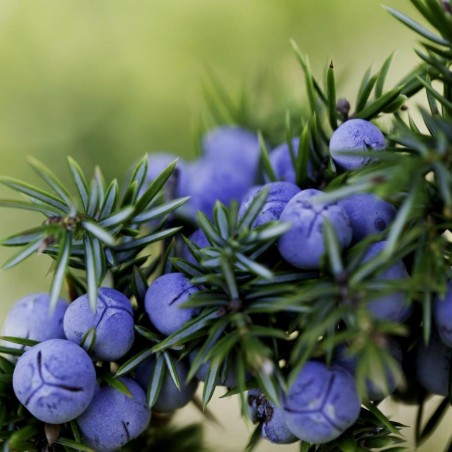
A juniper berry is the female seed cone produced by the various species of junipers. It is not a true berry but a cone with unusually fleshy and merged scales, which give it a berry-like appearance. The cones from a handful of species, especially Juniperus communis, are used as a spice, particularly in European cuisine, and also give gin its distinctive flavour. Juniper berries have been called the only spice derived from conifers, although tar and inner bark from pine trees is sometimes considered a spice as well.
All juniper species grow berries, but some are considered too bitter to eat. In addition to J. communis, other edible species include Juniperus drupacea,[2][3] Juniperus phoenicea,[4] Juniperus deppeana, and Juniperus californica.[5] Some species, for example Juniperus sabina, are toxic and consumption is inadvisable.
Characteristics
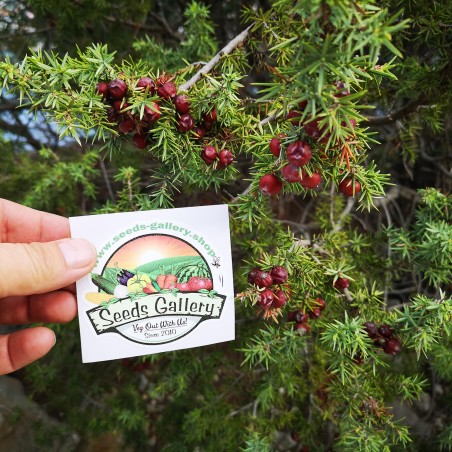
Juniperus communis berries vary from four to twelve millimeters in diameter; other species are mostly similar in size, though some are larger, notably J. drupacea (20–28 mm). Unlike the separated and woody scales of a typical pine cone, those in a juniper berry remain fleshy and merge into a unified covering surrounding the seeds. The berries are green when young, and mature to a purple-black colour over about 18 months in most species, including J. communis (shorter, 8–10 months in a few species, and about 24 months in J. drupacea).[2] The mature, dark berries are usually but not exclusively used in cuisine, while gin is flavoured with fully grown but immature green berries.
Uses
The flavor profile of young, green berries is dominated by pinene; as they mature this piney, resinous backdrop is joined by what Harold McGee describes as "green-fresh" and citrus notes.[7] The outer scales of the berries are relatively flavourless, so the berries are almost always at least lightly crushed before being used as a spice. They are used both fresh and dried, but their flavour and odour are at their strongest immediately after harvest and decline during drying and storage.
Juniper berries are used in northern European and particularly Scandinavian cuisine to "impart a sharp, clear flavor"[1] to meat dishes, especially wild birds (including thrush, blackbird, and woodcock) and game meats (including boar and venison).[8] They also season pork, cabbage, and sauerkraut dishes. Traditional recipes for choucroute garnie, an Alsatian dish of sauerkraut and meats, universally include juniper berries.[9] Besides Norwegian and Swedish dishes, juniper berries are also sometimes used in German, Austrian, Czech, Polish and Hungarian cuisine, often with roasts (such as German sauerbraten). Northern Italian cuisine, especially that of the South Tyrol, also incorporates juniper berries.
Juniper, typically Juniperus communis, is used to flavor gin, a liquor developed in the 17th century in the Netherlands. The name gin itself is derived from either the French genièvre or the Dutch jenever, which both mean "juniper".[1] Other juniper-flavoured beverages include the Finnish rye-and-juniper beer known as sahti, which is flavored with both juniper berries and branches.[10] The brand Dry Soda produces a juniper-berry soda as part of its lineup. Recently, some American distilleries have begun using 'New World' varieties of juniper such as Juniperus occidentalis.
A few North American juniper species produce a seed cone with a sweeter, less resinous flavor than those typically used as a spice. For example, one field guide describes the flesh of the berries of Juniperus californica as "dry, mealy, and fibrous but sweet and without resin cells".[12] Such species have been used not just as a seasoning but as a nutritive food by some Native Americans.[13] In addition to medical and culinary purposes, Native Americans have also used the seeds inside juniper berries as beads for jewellery and decoration.
An essential oil extracted from juniper berries is used in aromatherapy and perfumery.
Health
While generally recognized as safe, juniper berries may have various side effects that have not been tested extensively in clinical trials. Doses of more than a few berries or regular consumption may cause serious kidney damage. Pregnant or breastfeeding women should avoid use, mainly due to an increased risk of miscarriage, even in small doses. Caution is also advised in diabetics, as it might lower blood sugar, and in persons with bleeding disorders or after surgery.
Juniper berry was first intended as a medication since juniper berries are a diuretic. They were also believed to be an appetite stimulant and a remedy for rheumatism and arthritis[citation needed]. Native Americans are reported to have used the juniper berry as an appetite suppressant in times of hunger. Juniper berry is being researched as a treatment for diet-controlled diabetes, as it releases insulin from the pancreas, hence alleviating hunger. It is also said to have been used by some tribes as a female contraceptive.
History
Juniper berries, including Juniperus phoenicea and Juniperus oxycedrus have been found in ancient Egyptian tombs at multiple sites. J. oxycedrus is not known to grow in Egypt, and neither is Juniperus excelsa, which was found along with J. oxycedrus in the tomb of Tutankhamun.[16] The berries imported into Egypt may have come from Greece; the Greeks record using juniper berries as a medicine long before mentioning their use in food.[17] The Greeks used the berries in many of their Olympics events because of their belief that the berries increased physical stamina in athletes.[18] The Romans used juniper berries as a cheap domestically produced substitute for the expensive black pepper and long pepper imported from India.[4] It was also used as an adulterant, as reported in Pliny the Elder's Natural History: "Pepper is adulterated with juniper berries, which have the property, to a marvellous degree, of assuming the pungency of pepper."[19] Pliny also incorrectly asserted that black pepper grew on trees that were "very similar in appearance to our junipers".


Your review appreciation cannot be sent
Report comment
Report sent
Your report cannot be sent
اكتب تعليقك
Review sent
Your review cannot be sent
🌍 الشحن العالمي من الاتحاد الأوروبي
نقوم بالشحن إلى جميع أنحاء العالم من الاتحاد الأوروبي باستخدام بريد مسجل مع تأكيد استلام.
📦 تتبع الشحنة
لتتبع شحنتك، قم بتسجيل الدخول إلى حسابك، ثم اذهب إلى سجل الطلبات > التفاصيل وستجد رقم التتبع هناك.
التتبع العالمي: 17Track
لتتبع أرقام مثل RGxxxxxxHR: تتبع Posta.hr
🕒 يرجى الانتظار 24 ساعة على الأقل بعد الشحن لظهور معلومات التتبع.
⚠️ ملاحظات هامة
الدفع عند الاستلام غير متاح.
تحقق من مجلد البريد العشوائي/الغير هام في بريدك الإلكتروني للحصول على إشعارات الطلبات.
استخدم فقط نموذج الاتصال الموجود على موقعنا.
لن يتم الرد على الرسائل المرسلة مباشرة إلى بريدنا الإلكتروني.
📱 رقم الهاتف مطلوب
يرجى إدخال رقم هاتفك المحمول مع رمز البلد.
مثال: +966 512 345 678
🚚 شروط التوصيل
تتطلب الشحنات المسجلة توقيع المستلم.
لا تطلب إذا:
كنت تريد التسليم إلى صندوق بريد
لن تكون متواجداً لاستلام الطرد
تريد تسليمه إلى جار (❌ هذا غير ممكن)
📬 إذا أدخلت عنوان صندوق بريد وفُقدت الشحنة، فلن تكون مؤهلاً لاسترداد الأموال.
↩️ المرتجعات وإعادة الشحن
إذا تم إرجاع الشحنة إلينا لأي سبب:
سيتم فرض رسوم إرجاع 2 يورو
بالإضافة إلى تكلفة إعادة الشحن
⏱ التأخير والتتبع
إذا أظهر التتبع أن الشحنة لا تزال عند المرسل، فهذا يعني أنها في الطريق.
يرجى التواصل مع مكتب البريد المحلي باستخدام رقم التتبع.
نحن لسنا شركة بريدية ولا يمكننا تتبع الشحنات بالنيابة عنك.
لسنا مسؤولين عن مدة التوصيل.
🔍 يمكننا بدء تحقيق بفقدان الشحنة بعد مرور 30 يوماً على تاريخ الشحن فقط.
✈️ خيارات الشحن
| نوع الشحن | وقت المعالجة | تأمين | احتمال التأخير | ملاحظات |
|---|---|---|---|---|
| الشحن العادي | 7–10 أيام عمل | ❌ | 7–14 يومًا | الخيار الاقتصادي |
| شحن ذو أولوية | 1–7 أيام عمل | ❌ | 3–10 أيام | أولوية في المعالجة – لكن ليس بالضرورة أسرع شحن |
| شحن مؤمَّن | 1–7 أيام عمل | ✅ | 3–10 أيام | استرداد في حال فقدان الشحنة، متاح للطلبات حتى 150 يورو |
🕒 المدة التقديرية للتوصيل:
داخل الاتحاد الأوروبي: 3–20 يوم عمل
عالميًا: 5–30 يوم عمل
أمثلة للتوصيل إلى الولايات المتحدة: 27، 22، 19، 17، 13 يومًا
💳 طرق الدفع
💶 التحويل البنكي (SEPA / IBAN / SWIFT-BIC)
تأكد من كتابة رقم الطلب في تفاصيل التحويل (مثال: SGS-19811702).
في حال غياب المرجع، قد يتأخر تأكيد الدفع أو يتم إلغاء الطلب.
إذا لم يتم استلام الدفعة خلال 7 أيام، سيتم إلغاء الطلب تلقائيًا.
🅿️ PayPal
نقبل المدفوعات بـ اليورو فقط عبر PayPal.
يرجى تحويل العملة إلى اليورو أثناء عملية الدفع.
💳 الدفع بالبطاقة
الدفع يتم عبر موقعنا: Exotic Seeds Store
نقبل: Visa، MasterCard، American Express، Diners Club، UnionPay، JCB، Discover وغيرها.
💡 العميل يتحمل رسوم المعاملات البنكية إن وجدت.
يرجى تزويدنا بإثبات الدفع لتسريع معالجة طلبك.
📅 ملاحظات إضافية
لا نعالج الطلبات أو نقوم بالشحن أيام السبت والأحد.
يرجى دائمًا قراءة التنبيهات الهامة على موقعنا (مثل العطل الرسمية أو الشروط الخاصة).
📫 ملاحظة:
لا ترسل لنا رسائل على البريد الإلكتروني مباشرة. استخدم فقط نموذج الاتصال الموجود على موقعنا.
Related Products