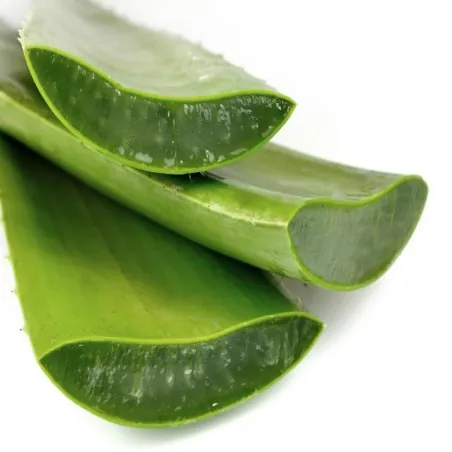
Aloe vera is a succulent plant species that is found only in cultivation, having no naturally occurring populations, although closely related aloes do occur in northern Africa. The species is frequently cited as
Aloe vera is a succulent plant species that is found only in cultivation, having no naturally occurring populations, although closely related aloes do occur in northern Africa. The species is frequently cited as being used in herbal medicine since the beginning of the first century AD. Extracts from A. vera are widely used in the cosmetics and alternative medicine industries, being marketed as variously having rejuvenating, healing, or soothing properties. There is, however, little scientific evidence of the effectiveness or safety of Aloe vera extracts for either cosmetic or medicinal purposes, and what positive evidence is available is frequently contradicted by other studies.
Description
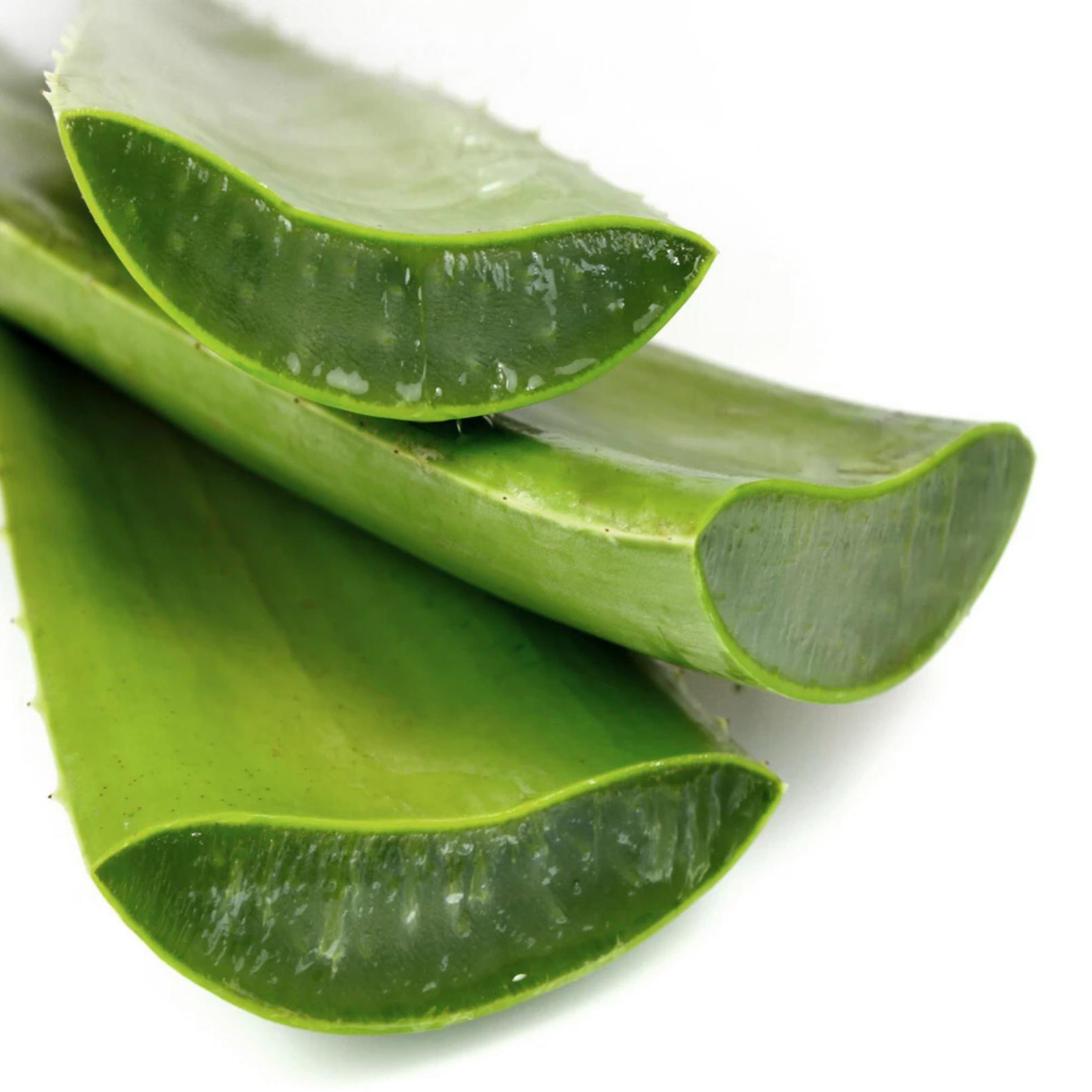
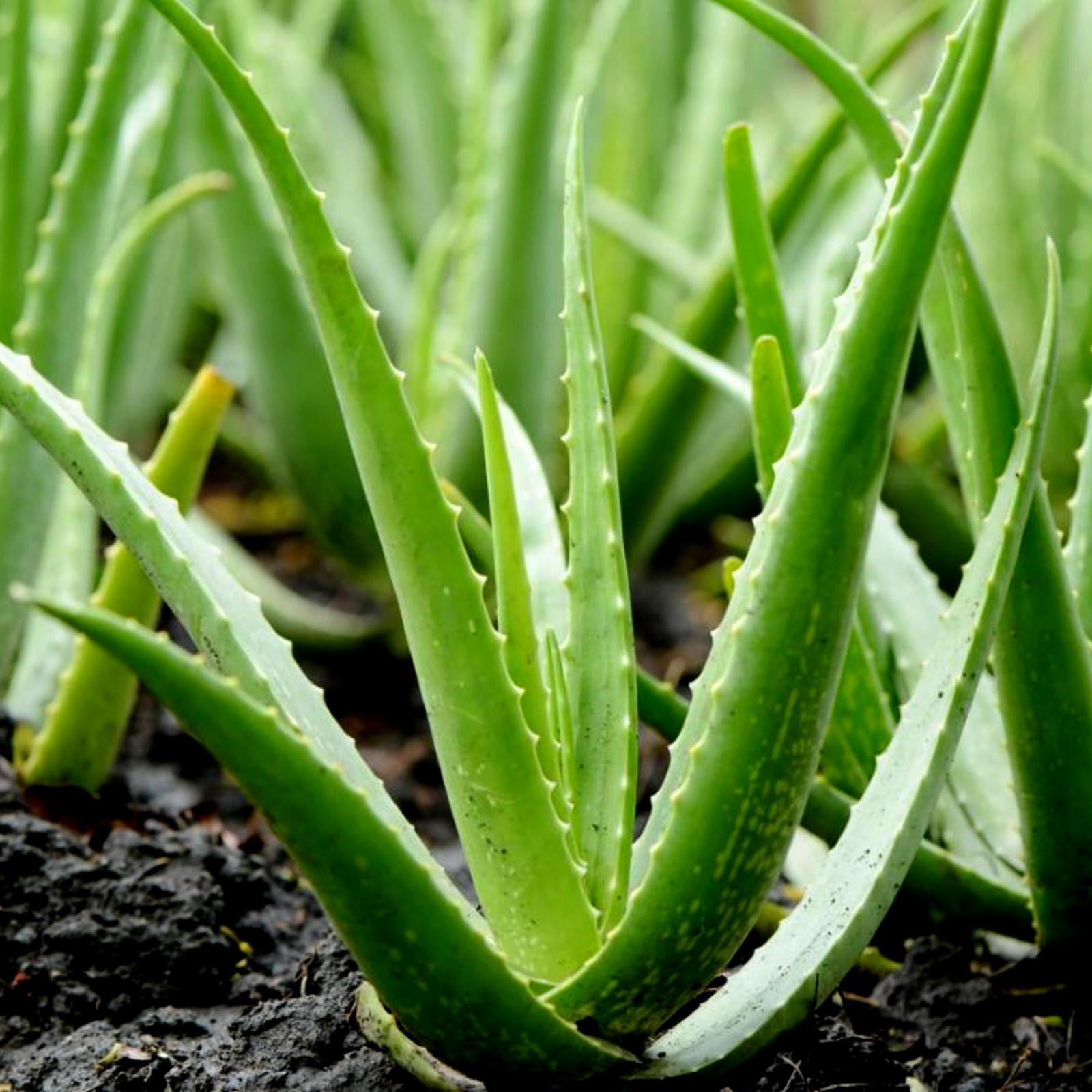
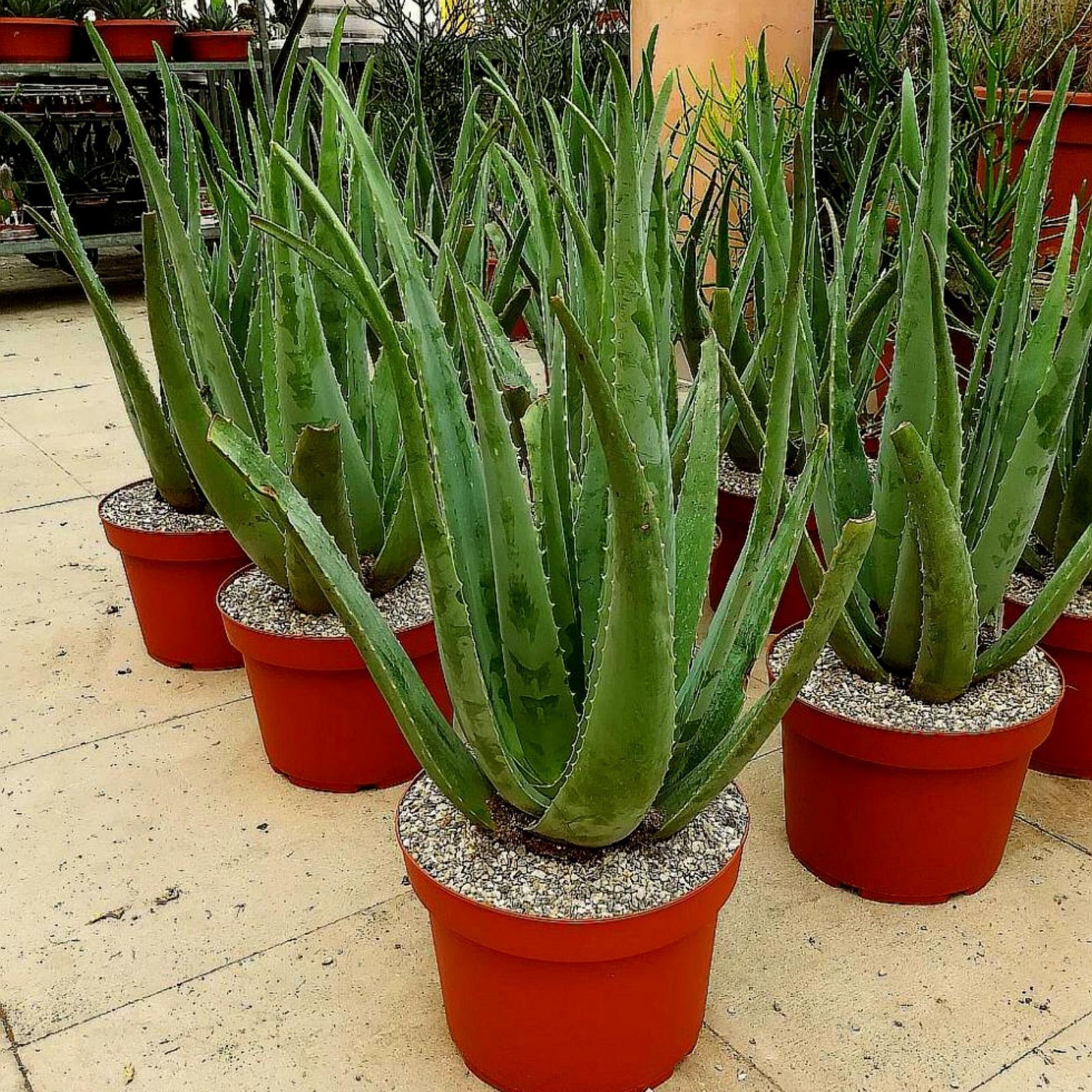
Aloe vera is a stemless or very short-stemmed succulent plant growing to 60–100 cm (24–39 in) tall, spreading by offsets. The leaves are thick and fleshy, green to grey-green, with some varieties showing white flecks on their upper and lower stem surfaces.[6] The margin of the leaf is serrated and has small white teeth. The flowers are produced in summer on a spike up to 90 cm (35 in) tall, each flower being pendulous, with a yellow tubular corolla 2–3 cm (0.8–1.2 in) long.[6][7] Like other Aloe species, Aloe vera forms arbuscular mycorrhiza, a symbiosis that allows the plant better access to mineral nutrients in soil.
Aloe vera leaves contain phytochemicals under study for possible bioactivity, such as acetylated mannans, polymannans, anthraquinone C-glycosides, anthrones, anthraquinones, such as emodin, and various lectins.
Taxonomy and etymology
The species has a number of synonyms: A. barbadensis Mill., Aloe indica Royle, Aloe perfoliata L. var. vera and A. vulgaris Lam.[11][12] Common names include Chinese Aloe, Indian Aloe, True Aloe, Barbados Aloe, Burn Aloe, First Aid Plant. The species epithet vera means "true" or "genuine". Some literature identifies the white-spotted form of Aloe vera as Aloe vera var. chinensis, however, the species varies widely with regard to leaf spots[1] and it has been suggested that the spotted form of Aloe vera may be conspecific with A. massawana.[19] The species was first described by Carl Linnaeus in 1753 as Aloe perfoliata var. vera,[20] and was described again in 1768 by Nicolaas Laurens Burman as Aloe vera in Flora Indica on 6 April and by Philip Miller as Aloe barbadensis some ten days after Burman in the Gardener's Dictionary.
Techniques based on DNA comparison suggest Aloe vera is relatively closely related to Aloe perryi, a species endemic to Yemen.[22] Similar techniques, using chloroplast DNA sequence comparison and ISSR profiling have also suggested it is closely related to Aloe forbesii, Aloe inermis, Aloe scobinifolia, Aloe sinkatana, and Aloe striata.[23] With the exception of the South African species A. striata, these Aloe species are native to Socotra (Yemen), Somalia, and Sudan.[23] The lack of obvious natural populations of the species has led some authors to suggest Aloe vera may be of hybrid origin.
Distribution
The natural range of A. vera is unclear, as the species has been widely cultivated throughout the world. Naturalised stands of the species occur in the southern half of the Arabian Peninsula, through North Africa (Morocco, Mauritania, Egypt), as well as Sudan and neighbouring countries, along with the Canary, Cape Verde, and Madeira Islands.[11] This distribution is somewhat similar to the one of Euphorbia balsamifera, Pistacia atlantica, and a few others, suggesting that a dry sclerophyll forest once covered large areas, but has been dramatically reduced due to desertification in the Sahara, leaving these few patches isolated. Several closely related (or sometimes identical) species can be found on the two extreme sides of the Sahara: dragon trees (Dracaena) and Aeonium being two of the most representative examples.
The species was introduced to China and various parts of southern Europe in the 17th century.[25] The species is widely naturalised elsewhere, occurring in temperate and tropical regions of Australia, Barbados, Belize, Nigeria, Paraguay and the United States[1][26] The actual species' distribution has been suggested to be the result of human cultivation.
Cultivation
Aloe vera has been widely grown as an ornamental plant. The species is popular with modern gardeners as a putatively medicinal plant and for its interesting flowers, form, and succulence. This succulence enables the species to survive in areas of low natural rainfall, making it ideal for rockeries and other low water-use gardens.[6] The species is hardy in zones 8–11, although it is intolerant of very heavy frost or snow.[7][27] The species is relatively resistant to most insect pests, though spider mites, mealy bugs, scale insects, and aphid species may cause a decline in plant health.[28][29] In pots, the species requires well-drained, sandy potting soil and bright, sunny conditions; however, Aloe plants can burn under too much sun or shrivel when the pot does not drain the rain. The use of a good-quality commercial propagation mix or packaged "cacti and succulent mix" is recommended, as they allow good drainage.[30] Terra cotta pots are preferable as they are porous.[30] Potted plants should be allowed to completely dry prior to rewatering. When potted, aloes become crowded with "pups" growing from the sides of the "mother plant", they should be divided and repotted to allow room for further growth and help prevent pest infestations. During winter, Aloe vera may become dormant, during which little moisture is required. In areas that receive frost or snow, the species is best kept indoors or in heated glasshouses.[7] Large-scale agricultural production of Aloe vera is undertaken in Australia,[31] Bangladesh, Cuba,[32] the Dominican Republic, China, Mexico,[33] India,[34] Jamaica,[35] Kenya, Tanzania and South Africa,[36] along with the USA[37] to supply the cosmetics industry with Aloe vera gel.
This plant has gained the Royal Horticultural Society's Award of Garden Merit.
Uses
Preparations made from Aloe vera are often referred to as "aloe vera".[39] Scientific evidence for the cosmetic and therapeutic effectiveness of aloe vera is limited and when present is frequently contradictory.[2][3] Despite this, the cosmetic and alternative medicine industries regularly make claims regarding the soothing, moisturizing, and healing properties of aloe vera [4][40] commercially advertised mainly for skin conditions such as sunburns, cold sores and frostbite. Aloe vera gel is also used commercially as an ingredient in yogurts, beverages, and some desserts;[41][42][43] although at certain doses, its toxic properties could be severe whether ingested or topically applied.[44] The same is true for aloe latex, which was taken orally for conditions ranging from glaucoma to multiple sclerosis until the FDA required manufacturers to discontinue its use.[45] Other uses for extracts of Aloe vera include the dilution of semen for the artificial fertilization of sheep,[46] as a fresh food preservative,[47] or for water conservation in small farms.[48] It has also been suggested that biofuels could be obtained from Aloe vera seeds.[49] Aloe is also used as a food substance, possibly for its gelling properties.
Traditional medicine
Early records of Aloe vera use appear in the Ebers Papyrus from the 16th century BC,[16] in both Dioscorides' De Materia Medica and Pliny the Elder's Natural History written in the mid-first century AD[16] along with the Juliana Anicia Codex produced in 512 AD.[41] The species is used widely in the traditional herbal medicine of many countries.[4] Aloe vera, called kathalai in Ayurvedic medicine, is used as a multipurpose skin treatment. This may be partly due to the presence of saponin, a chemical compound that acts as an antimicrobial agent.
Dietary supplement
Aloin, a compound found in the exudate of some Aloe species, was the common ingredient in over-the-counter (OTC) laxative products in the United States prior to 2003, when the Food and Drug Administration ruled that aloin was a class III ingredient, thereby banning its use.[51] Aloe vera has potential toxicity, with side effects occurring at some dose levels both when ingested or applied topically.[44] Although toxicity may be less when aloin is removed by processing, Aloe vera that contains aloin in excess amounts may induce side effects.[4][5][52] A two-year National Toxicology Program (NTP) study on oral consumption of nondecolorized whole leaf extract of Aloe vera found evidence of carcinogenic activity in male and female rats. The NTP says more information is needed to determine the potential risks to humans.
Aloe vera juice is marketed to support the health of the digestive system, but there is neither scientific evidence nor regulatory approval to support this claim.[56] The extracts and quantities typically used for such purposes appear to be dose-dependent for toxic effects.
Commodities
Aloe vera is used on facial tissues where it is promoted as a moisturiser and/or anti-irritant to reduce chafing of the nose. Cosmetic companies commonly add sap or other derivatives from Aloe vera to products such as makeup, tissues, moisturizers, soaps, sunscreens, incense, shaving cream, or shampoos.[41] A review of academic literature notes that its inclusion in many hygiene products is due to its "moisturizing emollient effect".
Toxicity
In 2011, the NTP carried out a series of short- and long-term carcinogenicity studies of a nondecolorized whole leaf extract of Aloe barbadensis miller (Aloe vera) in rats and mice, in which the extracts were fed to the rodents in drinking water.[4] The studies found "clear evidence of carcinogenic activity" in the rats, but "no evidence of carcinogenic activity" in the mice. Both the mice and rats had increased amounts of noncancerous lesions in various tissues. The NTP believes further studies of oral preparations of aloe are important, as are studies of the oral exposure of humans to aloe; topical preparations are still considered safe.
Oral ingestion of Aloe vera may also cause diarrhea, which in turn can lead to electrolyte imbalance, kidney dysfunction, dry mouth, headache, and nausea, while topical application may induce contact dermatitis, erythema, or phototoxicity.
Research into medical uses
Two 2009 reviews of clinical studies determined that all were too small and faulty to allow strong conclusions to be drawn from them, but concluded, "there is some preliminary evidence to suggest that oral administration of aloe vera might be effective in reducing blood glucose in diabetic patients and in lowering blood lipid levels in hyperlipidaemia. The topical application of aloe vera does not seem to prevent radiation-induced skin damage. It might be useful as a treatment for genital herpes and psoriasis. The evidence regarding wound healing is contradictory. More and better trial data are needed to define the clinical effectiveness of this popular herbal remedy more precisely." [5][58] One of the reviews found that Aloe has not been proven to offer protection for humans from sunburn, suntan, or other damage from the sun.
A 2007 review of aloe vera's use in burns concluded, "cumulative evidence tends to support that aloe vera might be an effective interventions used in burn wound healing for first- to second-degree burns. Further, well-designed trials with sufficient details of the contents of aloe vera products should be carried out to determine the effectiveness of aloe vera.[59] Topical application of aloe vera may also be effective for genital herpes and psoriasis.
Sowing Instructions
Propagation:
Seeds
Pretreat:
0
Stratification:
0
Sowing Time:
all year round
Sowing Depth:
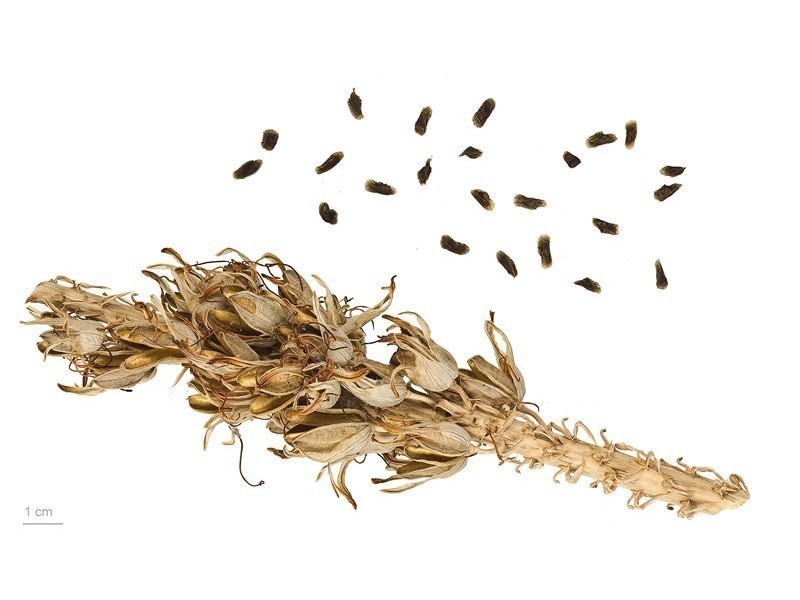
Needs Light to germinate! Just sprinkle on the surface of the substrate + gently press
Aprecierea ta pentru recenzie nu a putut fi trimisa
Reclama un comentariu
Sigur doresti sa raportezi acest comentariu?
Raport trimis
Comentariul tau a fost inregistrat si va fi examinat de un moderator.
Reclamatia tau nu a putut fi trimisa
Scrie-ti recenzia
Recenzia a fost trimisa
Comentariul dumeavoastra a fost inregistrat si va fi vizibil de indata ce va fi aprobat de un moderator.
Recenzia ta nu a putut fi trimisa
🌍 Livrare în toată lumea din UE
Expediem în toată lumea din Uniunea Europeană prin poștă aeriană recomandată, cu semnătură obligatorie la livrare.
📦 Urmărirea comenzii dumneavoastră
Pentru a găsi numărul de urmărire, conectați-vă la contul dumneavoastră și accesați: Istoric comenzi > Detalii. Numărul de urmărire se află direct în detaliile comenzii.
Veți primi notificări prin e-mail pentru fiecare etapă a comenzii dumneavoastră.
Dacă nu vedeți aceste mesaje, vă rugăm să verificați folderul Spam/Junk sau să contactați furnizorul dumneavoastră de e-mail. Alternativ, căutați online cum să deblocați e-mailurile de la expeditor.
SERVICIUL NOSTRU DE E-MAIL FUNCȚIONEAZĂ — Dacă nu primiți e-mailuri, este probabil o problemă cu furnizorul dumneavoastră de e-mail sau cu setările dumneavoastră.
📧 Cum să vă asigurați că e-mailurile de la magazinul nostru online ajung întotdeauna în Inbox
Pentru a preveni marcarea e-mailurilor noastre ca spam, adăugați adresa noastră de e-mail în contactele dumneavoastră:
Deschideți Gmail (sau orice alt furnizor) și găsiți un e-mail de la noi (xxxxxxxxxxxx@xxx.com).
Treceți mouse-ul peste numele sau adresa de e-mail a expeditorului.
Faceți clic pe pictograma "Adaugă în contacte" (pictograma cu persoana mică).
Nu vă putem ajuta dacă setările dumneavoastră nu sunt așa. Contactați furnizorul de e-mail pentru asistență.
Alternativ, creați un filtru în Gmail:
Deschideți Gmail și accesați Setări > Vezi toate setările.
Mergeți la fila Filtre și adrese blocate.
Faceți clic pe Creați un filtru nou și introduceți adresa noastră de e-mail.
Bifați Nu se trimite niciodată în Spam și faceți clic pe Creați filtru.
📍 Urmăriți-vă pachetul
Numărul de urmărire se află în detaliile comenzii dumneavoastră. Vă puteți urmări comanda prin următoarele platforme:
Posta.hr (pentru numere de urmărire de tip RGxxxxxxHR)
⚠️ Notificări importante
Plata la livrare (ramburs) NU este disponibilă.
Când comandați, furnizați întotdeauna un număr de telefon mobil valid cu prefixul țării (de ex. +40 712 345 678).
NU comandați la căsuțe poștale (P.O. Boxes) sau dacă nu puteți fi acasă pentru a semna pentru pachet. Pachetele nu pot fi lăsate la vecini.
Dacă un pachet trimis la o căsuță poștală este pierdut sau nelivrat, nu se va acorda nicio rambursare.
⚖️ Responsabilitatea clientului pentru conformitatea legală
Clientul este responsabil să se asigure că produsul este legal pentru import în țara sa, inclusiv respectarea tuturor reglementărilor de import, obținerea permiselor necesare și plata taxelor vamale aplicabile, a impozitelor și a altor taxe. Vă rugăm să verificați legile locale înainte de a comanda.
🔄 Pachete pierdute, returnate și reexpediate
Clienți din Brazilia și Mexic: Nu putem rambursa pachetele pierdute sau distruse de vamă.
Dacă pachetul dumneavoastră este returnat, vom rambursa doar costul produsului — costurile de transport sunt nerambursabile.
Taxa poștală de returnare (2 €) și orice costuri de reexpediere trebuie acoperite de client.
🚚 Livrarea transportului
Expedierile recomandate necesită semnătură.
Dacă urmărirea arată că pachetul este încă la oficiul poștal de origine, acesta este în tranzit — contactați oficiul poștal local pentru actualizări.
Din păcate, nici noi, nici oficiul poștal prin care a fost trimisă comanda dumneavoastră nu vă putem ajuta cu întrebarea unde se află exact comanda dumneavoastră. Când vedeți că pachetul este în țara dumneavoastră, TREBUIE să contactați oficiul poștal cu numărul de urmărire.
⏱️ Opțiuni de livrare și timp estimat
Opțiune de livrare
Timp de procesare
Note
Priority Delivery
Se expediază în 1–7 zile lucrătoare
Prioritizează procesarea comenzii; posibile întârzieri în timpul sărbătorilor (3–10 zile)
Secured Delivery
Se expediază în 1–7 zile lucrătoare
Disponibil pentru comenzi de până la 150 €; rambursare în caz de pierdere
Standard Delivery
Se expediază în 7–10 zile lucrătoare
Mai economic; posibile întârzieri în timpul sărbătorilor (7–14 zile)
Timp estimat de livrare:
În interiorul UE: 3–20 zile
În restul lumii: 5–30 zile
Notă: Timpul de livrare depinde de locația dumneavoastră și de sistemul poștal local. COVID-19 sau perioadele de sărbători pot cauza întârzieri suplimentare.
💰 Costuri de livrare
Taxele de transport și manipulare sunt calculate automat la finalizarea comenzii pe baza greutății coletului și a destinației.
⏰ Programul de procesare a comenzilor
Nu procesăm și nu expediem comenzi sâmbăta sau duminica.
💳 Opțiuni de plată
Dorim să vă informăm despre o modificare importantă privind taxele de plată. Din păcate, din cauza comisioanelor de tranzacție excepțional de mari impuse de PayPal, suntem forțați să aplicăm o suprataxă pentru plățile efectuate prin serviciul lor.
Cu toate acestea, avem o soluție pentru dumneavoastră! Puteți evita aceste taxe astronomice alegând una dintre metodele noastre alternative de plată cu COMISION ZERO:
✅ Plată cu cardul de credit/debit – comision 0%
✅ Transfer bancar – comision 0%
Transfer bancar (SEPA / IBAN / SWIFT-BIC): Includeți referința comenzii dumneavoastră în descrierea plății. Comenzile fără plată în termen de 4 zile vor fi anulate automat.
PayPal: Plățile sunt acceptate numai în euro. Vă rugăm să selectați euro în timpul procesului de plată.
Plata cu cardul: Acceptăm Visa, MasterCard, American Express, CB, Diners Club, Discover, China UnionPay, JCB și Discover.
⚠️ Comisioane de tranzacție
Clienții sunt responsabili pentru orice comisioane bancare sau taxe de tranzacție PayPal.
📝 Note finale
Înainte de a plasa comanda, verificați întotdeauna site-ul nostru pentru anunțuri speciale, programe de sărbători sau condiții specifice de livrare.