Common Sorrel Seeds (Rumex acetosa)

SKU VE-115-(20-S) Categorie Acasa
Pret: 2,00 €

Common Sorrel Seeds (Rumex acetosa)

Price for a Package of 20 seeds.

Of the two kinds of Sorrel cultivated for use as vegetables or salads, Rumex acetosa, the Garden Sorrel, is an indigenous English plant, common, too in the greater part of Europe, in almost all soils and situations. It grows abundantly in meadows, a slender plant about

Stoc epuizat
Semințe în pachet:
Share on

Common Sorrel Seeds (Rumex acetosa)

Price for a Package of 20 seeds.

Of the two kinds of Sorrel cultivated for use as vegetables or salads, Rumex acetosa, the Garden Sorrel, is an indigenous English plant, common, too in the greater part of Europe, in almost all soils and situations. It grows abundantly in meadows, a slender plant about 2 feet high, with juicy stems and leaves, and whorled spikes of reddish-green flowers, which give colour, during the months of June and July, to the grassy spots in which it grows.

It is generally found in pastures where the soil contains iron.

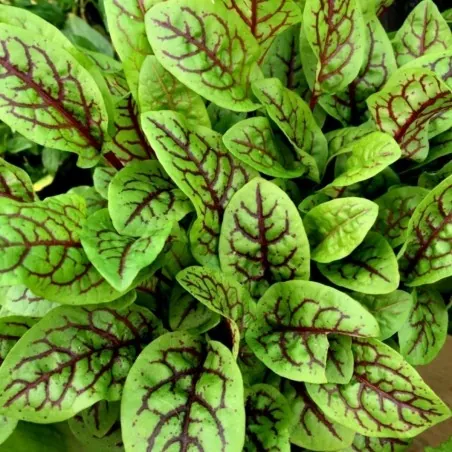
The leaves are oblong, the lower ones 3 to 6 inches in length, slightly arrow-shaped at the base, with very long petioles. The upper ones are sessile. They frequently become a beautiful crimson.

As the flowers increase in size, they become a purplish colour. The stamens and pistils are on different plants. The seeds, when ripe, are brown and shining. The perennial roots run deeply into the ground.

Sorrel is well known for the grateful acidity of its herbage, which is most marked when the plant is in full season, though in early spring it is almost tasteless.

The plant is also called 'Cuckoo's-meate' from an old belief that the bird cleared its voice by its agency. In Scotland it is 'gowkemeat.'

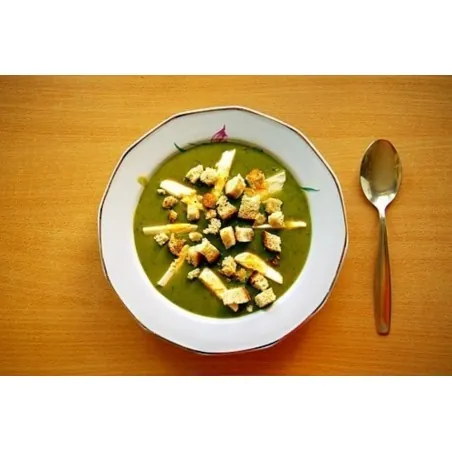
Domestic animals are fond of this and other species of Sorrel. The leaves contain a considerable quantity of binoxalate of potash, which gives them their acid flavour and medicinal and dietetic properties. They have been employed from the most distant time as a salad. In France, Sorrel is put into ragouts, fricassées and soups, forming the chief constituent of the favourite Soupe aux herbes.

In the time of Henry VIII, this plant was held in great repute in England, for table use, but after the introduction of French Sorrel, with large succulent leaves, it gradually lost its position as a salad and a potherb, and for many years it has ceased to be cultivated.

John Evelyn thought that Sorrel imparted 'so grateful a quickness to the salad that it should never be left out.' He wrote in 1720:

    'Sorrel sharpens the appetite, assuages heat, cools the liver and strengthens the heart; is an antiscorbutic, resisting putrefaction and in the making of sallets imparts a grateful quickness to the rest as supplying the want of oranges and lemons. Together with salt, it gives both the name and the relish to sallets from the sapidity, which renders not plants and herbs only, but men themselves pleasant and agreeable.

Culpepper tells us:

    'Sorrel is prevalent in all hot diseases, to cool any inflammation and heat of blood in agues pestilential or choleric, or sickness or fainting, arising from heat, and to refresh the overspent spirits with the violence of furious or fiery fits of agues: to quench thirst, and procure an appetite in fainting or decaying stomachs: For it resists the putrefaction of the blood, kills worms, and is a cordial to the heart, which the seed doth more effectually, being more drying and binding.... Both roots and seeds, as well as the herb, are held powerful to resist the poison of the scorpion. . . . The leaves, wrapt in a colewort leaf and roasted in the embers, and applied to a large imposthume, botch boil, or plague-sore, doth both ripen and break it. The distilled water of the herb is of much good use for all the purposes aforesaid.'

In this country, the leaves are now rarely eaten, unless by children and rustics, to allay thirst, though in Ireland they are still largely consumed by the peasantry with fish and milk. Our country people used to beat the herb to a mash and take it mixed with vinegar and sugar, as a green sauce with cold meat, hence one of its popular names: Greensauce.

Because of their acidity, the leaves, treated as spinach, make a capital dressing with stewed lamb, veal or sweetbread. A few of the leaves may also with advantage be added to turnips and spinach. When boiled by itself, without water, it serves as an excellent accompaniment to roast goose or pork, instead of apple sauce.

'To Stew Sorrel for Fricandean and Roast Meat.

'Wash the Sorrel, and put it into a silver vessel, or stone jar, with no more water than hangs to the leaves. Simmer it as slow as you can, and when done enough, put a bit of butter and beat it well.'

Unless cooked carefully, Sorrel is likely to disagree with gouty persons, from the acid oxalate of potash it contains, but this may be got rid of if it is plunged for two or three minutes in boiling water, before cooking, this first water being then thrown away.

In Scandinavia, Sorrel has sometimes been used in time of scarcity to put into bread. The leaves contain a little starch and mucilage, and the root is rather farinaceous.

The juice of the leaves will curdle milk as well as rennet, and the Laplanders use it as a substitute for the latter.

The dried root affords a beautiful red colour when boiled and used for making barley water look like red wine, when in France they wish to avoid giving anything of a vinous nature to the sick.

The salt of Sorrel, binoxalate of potash, is much used for bleaching straw and removing ink stains from linen, and is often sold in the shops under the name of 'essential salt of lemons.'

Cultivation

Sorrel of two kinds is cultivated, R. acetosa, or Garden Sorrel, and R. scrutatus, or French Sorrel. Garden Sorrel likes a damp situation, French Sorrel a dry soil and an open situation.

The finest plants are propagated from seed, sown in March, though it may be sown in any of the spring months. Sow moderately thin, in drills 6 inches apart, and thin out when the plants are 1 or 2 inches high. When the stalks run up in July, they should be cut back. The roots will then put out new leaves, which will be tender and better for kitchen use than the older leaves, so that by cutting down the shoots of some plants at different times, there will always be a supply of young leaves.

Both varieties are generally increased by dividing the roots, which may be done either in spring or autumn, the roots being planted about a foot apart each way, and watered.

Parts Used Medicinally

The leaves both dried and fresh.

Constituents

The sour taste of Sorrel is due to the acid oxalate of potash it contains; tartaric and tannic acids are also present.

Medicinal Action and Uses

The medicinal action of Sorrel is refrigerant and diuretic, and it is employed as a cooling drink in all febrile disorders.

It is corrective of scrofulous deposits: for cutaneous tumours, a preparation compounded of burnt alum, citric acid, and juice of Sorrel, applied as a paint, has been employed with success.

Sorrel is especially beneficial in scurvy.

Both the root and the seed were formerly esteemed for their astringent properties, and were employed to stem haemorrhage.

A syrup made with the juice of Fumitory and Sorrel had the reputation of curing the itch, and the juice, with a little vinegar, was considered a cure for ringworm, and recommended as a gargle for sore throat.

A decoction of the flowers, made with wine, was said to cure jaundice and ulcerated bowels, the root in decoction or powder being also employed for jaundice, and gravel and stone in the kidneys.

Gerard enumerated eight different kinds of Sorrel - the Garden, bunched or knobbed, Sheep, Romane, Curled, Barren and Great Broad-leaved Sorrel, and said of them:

    'The Sorrells are moderately cold and dry. Sorrell doth undoubtedly cool and mightily dry, but because it is sour, it likewise cutteth tough humours. The juice thereof in summer time is a profitable sauce in many meats and pleasant to the taste. It cooleth a hot stomach. The leaves are with good success added to decoctions, and are used in agues. The leaves are taken in good quantity, stamped and stained into some ale and cooleth the body. The leaves are eaten in a tart spinach. The seed of Sorrell drunk in wine stoppeth the bloody flow.'

Categorie Acasa Cod VE-115-(20-S)
Common Sorrel Seeds (Rumex acetosa)
Comentarii (0)
Nu sunt opinii ale clientilor in acest moment.

🌍 Livrare în toată lumea din UE

Expediem în toată lumea din Uniunea Europeană prin poștă aeriană recomandată, cu semnătură obligatorie la livrare.

📦 Urmărirea comenzii dumneavoastră

Pentru a găsi numărul de urmărire, conectați-vă la contul dumneavoastră și accesați: Istoric comenzi > Detalii. Numărul de urmărire se află direct în detaliile comenzii.

Veți primi notificări prin e-mail pentru fiecare etapă a comenzii dumneavoastră.

Dacă nu vedeți aceste mesaje, vă rugăm să verificați folderul Spam/Junk sau să contactați furnizorul dumneavoastră de e-mail. Alternativ, căutați online cum să deblocați e-mailurile de la expeditor.

SERVICIUL NOSTRU DE E-MAIL FUNCȚIONEAZĂ — Dacă nu primiți e-mailuri, este probabil o problemă cu furnizorul dumneavoastră de e-mail sau cu setările dumneavoastră.

📧 Cum să vă asigurați că e-mailurile de la magazinul nostru online ajung întotdeauna în Inbox

Pentru a preveni marcarea e-mailurilor noastre ca spam, adăugați adresa noastră de e-mail în contactele dumneavoastră:

  1. Deschideți Gmail (sau orice alt furnizor) și găsiți un e-mail de la noi (xxxxxxxxxxxx@xxx.com).

  2. Treceți mouse-ul peste numele sau adresa de e-mail a expeditorului.

  3. Faceți clic pe pictograma "Adaugă în contacte" (pictograma cu persoana mică).

Nu vă putem ajuta dacă setările dumneavoastră nu sunt așa. Contactați furnizorul de e-mail pentru asistență.

Alternativ, creați un filtru în Gmail:

  1. Deschideți Gmail și accesați Setări > Vezi toate setările.

  2. Mergeți la fila Filtre și adrese blocate.

  3. Faceți clic pe Creați un filtru nou și introduceți adresa noastră de e-mail.

  4. Bifați Nu se trimite niciodată în Spam și faceți clic pe Creați filtru.

📍 Urmăriți-vă pachetul

Numărul de urmărire se află în detaliile comenzii dumneavoastră. Vă puteți urmări comanda prin următoarele platforme:

⚠️ Notificări importante

  • Plata la livrare (ramburs) NU este disponibilă.

  • Când comandați, furnizați întotdeauna un număr de telefon mobil valid cu prefixul țării (de ex. +40 712 345 678).

  • NU comandați la căsuțe poștale (P.O. Boxes) sau dacă nu puteți fi acasă pentru a semna pentru pachet. Pachetele nu pot fi lăsate la vecini.

  • Dacă un pachet trimis la o căsuță poștală este pierdut sau nelivrat, nu se va acorda nicio rambursare.

⚖️ Responsabilitatea clientului pentru conformitatea legală

Clientul este responsabil să se asigure că produsul este legal pentru import în țara sa, inclusiv respectarea tuturor reglementărilor de import, obținerea permiselor necesare și plata taxelor vamale aplicabile, a impozitelor și a altor taxe. Vă rugăm să verificați legile locale înainte de a comanda.

🔄 Pachete pierdute, returnate și reexpediate

  • Clienți din Brazilia și Mexic: Nu putem rambursa pachetele pierdute sau distruse de vamă.

  • Dacă pachetul dumneavoastră este returnat, vom rambursa doar costul produsului — costurile de transport sunt nerambursabile.

  • Taxa poștală de returnare (2 €) și orice costuri de reexpediere trebuie acoperite de client.

🚚 Livrarea transportului

  • Expedierile recomandate necesită semnătură.

  • Dacă urmărirea arată că pachetul este încă la oficiul poștal de origine, acesta este în tranzit — contactați oficiul poștal local pentru actualizări.

  • Din păcate, nici noi, nici oficiul poștal prin care a fost trimisă comanda dumneavoastră nu vă putem ajuta cu întrebarea unde se află exact comanda dumneavoastră. Când vedeți că pachetul este în țara dumneavoastră, TREBUIE să contactați oficiul poștal cu numărul de urmărire.

⏱️ Opțiuni de livrare și timp estimat

Opțiune de livrareTimp de procesareNote
Priority DeliverySe expediază în 1–7 zile lucrătoarePrioritizează procesarea comenzii; posibile întârzieri în timpul sărbătorilor (3–10 zile)
Secured DeliverySe expediază în 1–7 zile lucrătoareDisponibil pentru comenzi de până la 150 €; rambursare în caz de pierdere
Standard DeliverySe expediază în 7–10 zile lucrătoareMai economic; posibile întârzieri în timpul sărbătorilor (7–14 zile)

Timp estimat de livrare:

  • În interiorul UE: 3–20 zile

  • În restul lumii: 5–30 zile

  • Notă: Timpul de livrare depinde de locația dumneavoastră și de sistemul poștal local. COVID-19 sau perioadele de sărbători pot cauza întârzieri suplimentare.

💰 Costuri de livrare

Taxele de transport și manipulare sunt calculate automat la finalizarea comenzii pe baza greutății coletului și a destinației.

Programul de procesare a comenzilor

Nu procesăm și nu expediem comenzi sâmbăta sau duminica.

💳 Opțiuni de plată

Dorim să vă informăm despre o modificare importantă privind taxele de plată. Din păcate, din cauza comisioanelor de tranzacție excepțional de mari impuse de PayPal, suntem forțați să aplicăm o suprataxă pentru plățile efectuate prin serviciul lor.

Cu toate acestea, avem o soluție pentru dumneavoastră! Puteți evita aceste taxe astronomice alegând una dintre metodele noastre alternative de plată cu COMISION ZERO:

Plată cu cardul de credit/debit – comision 0%

Transfer bancar – comision 0%

  • Transfer bancar (SEPA / IBAN / SWIFT-BIC): Includeți referința comenzii dumneavoastră în descrierea plății. Comenzile fără plată în termen de 4 zile vor fi anulate automat.

  • PayPal: Plățile sunt acceptate numai în euro. Vă rugăm să selectați euro în timpul procesului de plată.

  • Plata cu cardul: Acceptăm Visa, MasterCard, American Express, CB, Diners Club, Discover, China UnionPay, JCB și Discover.

⚠️ Comisioane de tranzacție

Clienții sunt responsabili pentru orice comisioane bancare sau taxe de tranzacție PayPal.

📝 Note finale

Înainte de a plasa comanda, verificați întotdeauna site-ul nostru pentru anunțuri speciale, programe de sărbători sau condiții specifice de livrare.

Related Products