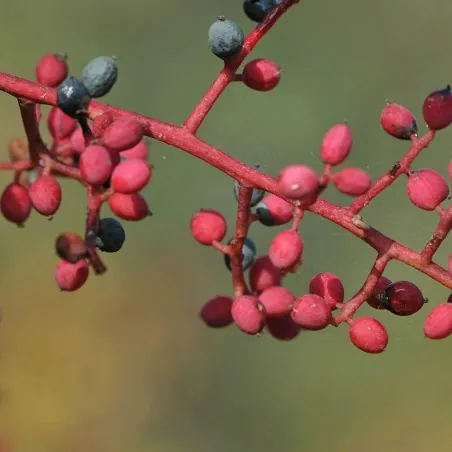
🌱 Terebinth – Turpentine Tree Seeds (Pistacia terebinthus)
💰 Price: Package of 5 seeds
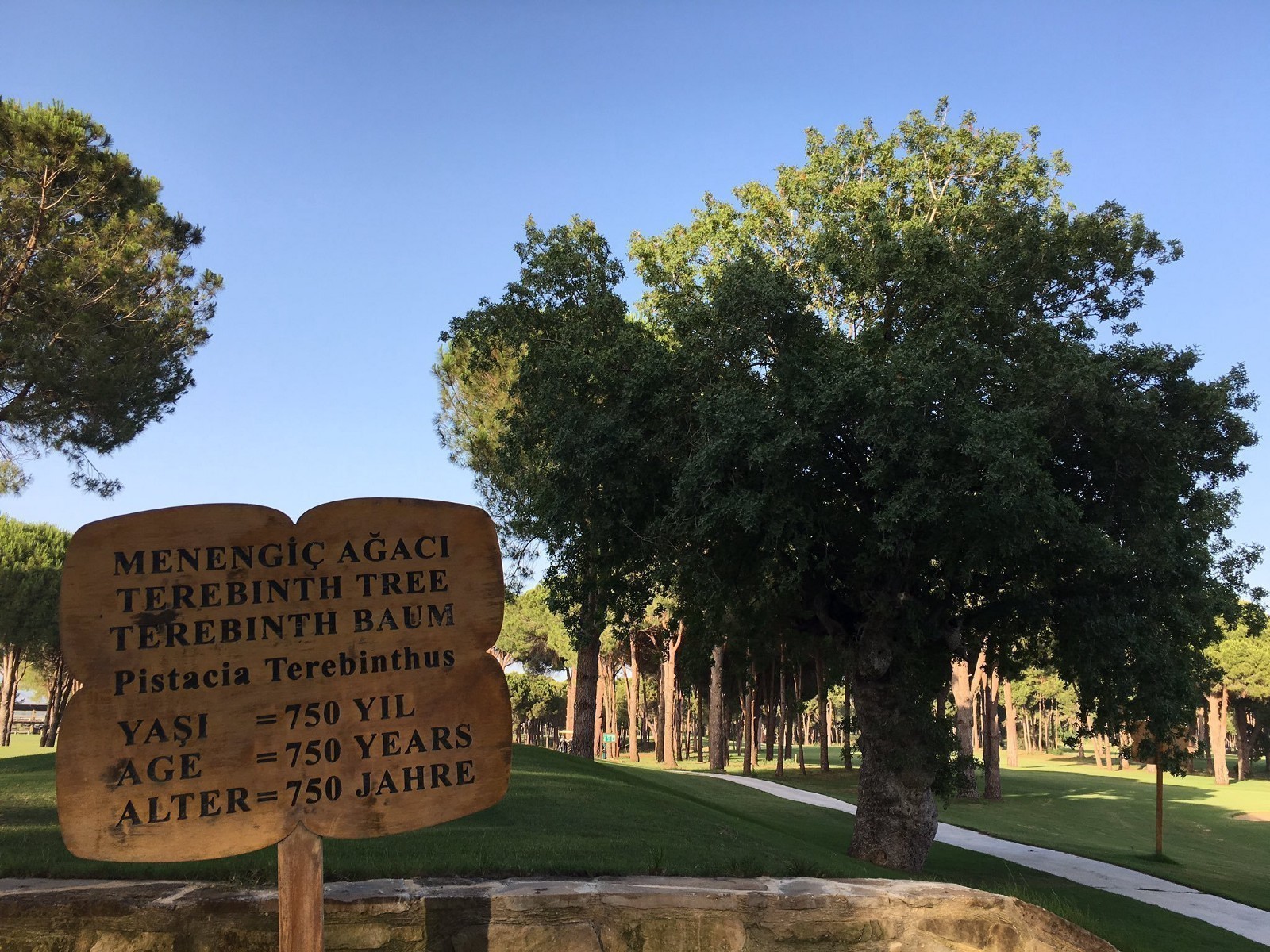
🍃 Pistacia terebinthus, commonly known as terebinth or turpentine tree, is a deciduous small tree or large shrub of the Anacardiaceae (cashew) family. Native to the Mediterranean region, including the Canary Islands, Morocco, Portugal, Greece, and Turkey, it thrives in rocky, sun-exposed habitats up to 600 m above sea level. It tolerates summer droughts and moderate frost.
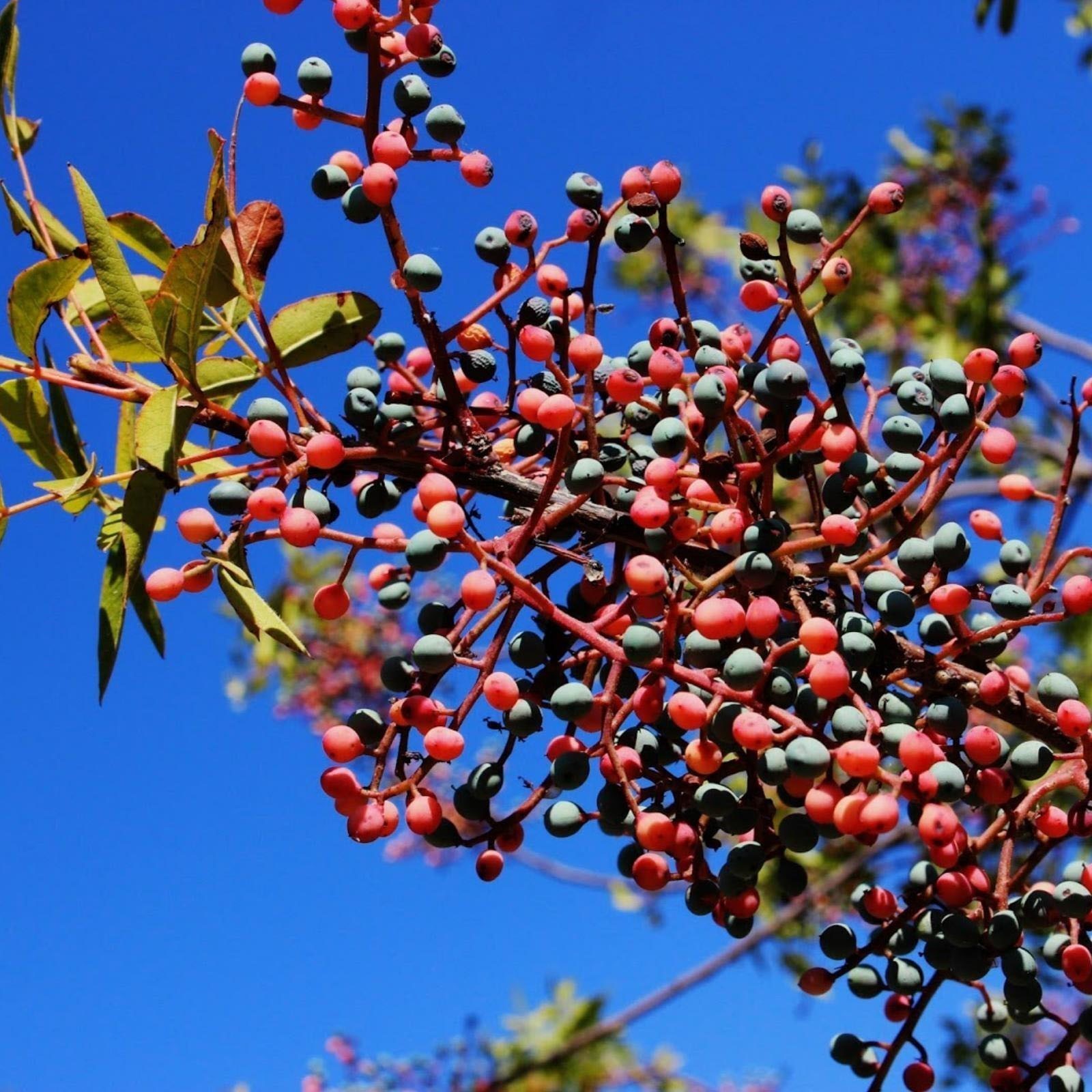
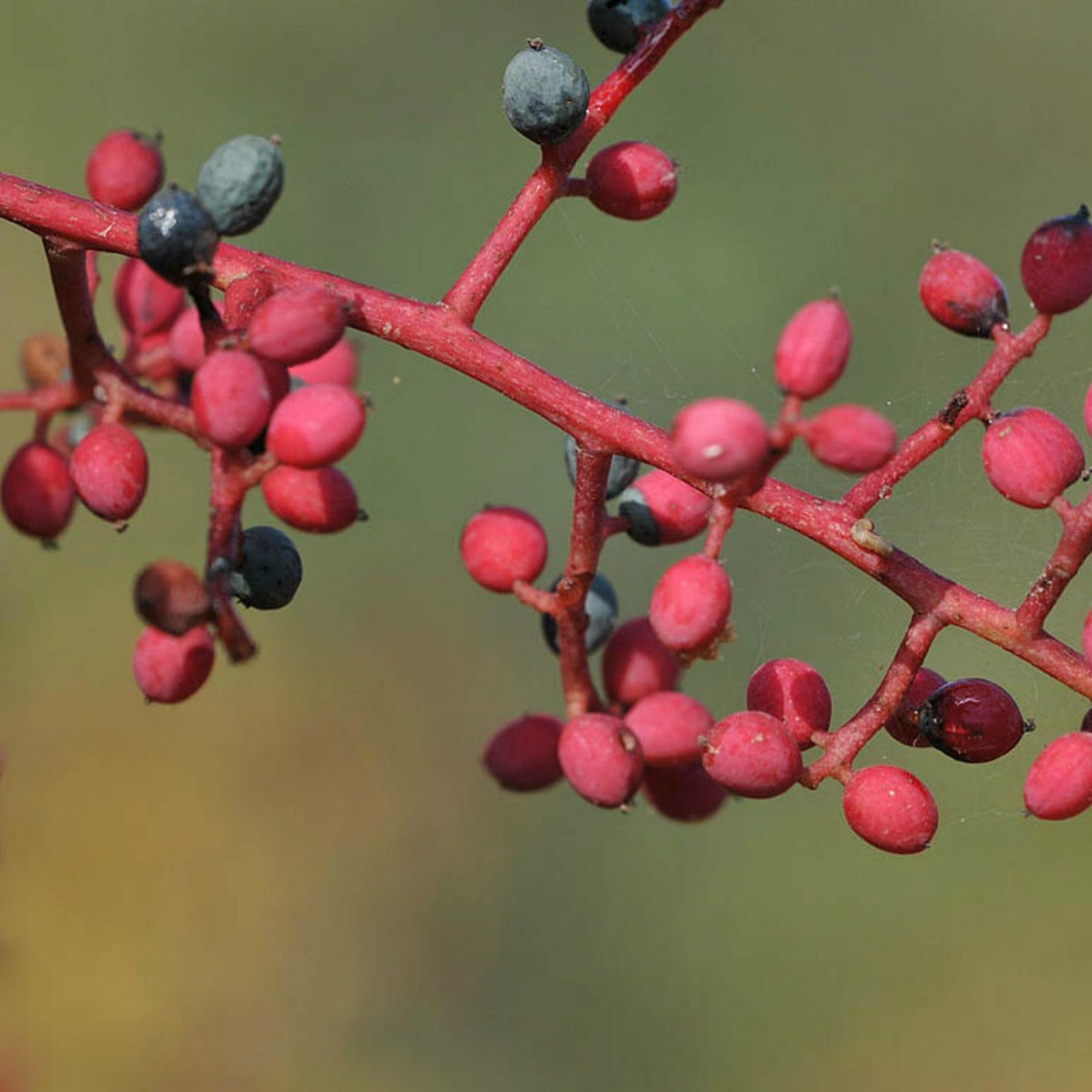
The tree grows 5–10 m tall, occasionally up to 10 m. Leaves are compound, pinnate, 10–20 cm long with 3–11 glossy oval leaflets, leathery and bright green. Flowers are reddish-purple, appearing in early spring alongside new leaves. Fruits are small globular drupes, 5–7 mm long, turning from red to black when ripe. The plant emits a strong resinous aroma and produces aromatic galls shaped like goat horns.
Pistacia terebinthus is dioecious, meaning male and female plants must be present for fruit production. The species hybridizes frequently with Pistacia lentiscus, and similar species in the Eastern Mediterranean include Pistacia palaestina, which shares its ecological niche.
🌿 Uses:
Source of turpentine, historically called Chian, Scio, or Cyprian turpentine.
Fruits used in traditional bread in Cyprus and to flavor pomace brandy in Crete.
Shoots consumed as a vegetable in Northern Sporades.
Bark and galls used for tannins, aromatic extracts, and recently for anti-inflammatory triterpenes.
In Turkey, roasted fruits make a coffee-like beverage (menengiç kahvesi) and oil for soap.
Terebinth resin historically preserved wine in ancient Israel and the Near East.
🌿 Habitat & Cultivation:
Prefers sunny locations, well-drained soils, tolerates lime and some salinity.
Can grow in garrigue, maquis, deciduous forests, and oak woodlands.
More moisture-demanding than mastic (Pistacia lentiscus) and more cold-tolerant.
Often multi-stemmed if grown as a shrub.
Propagates by seeds and shoots.
🌿 History & Cultural Significance:
Possibly referenced in Linear B tablets as "ki-ta-no" (Mycenaean Greece).
Mentioned in Hebrew Scriptures (Old Testament) as "elah" (plural "elim").
Latin and Greek names trace back to Ancient Greek τερέβινθος.
Appears in Virgil’s Aeneid as a symbol of strength and craftsmanship.
Historical references include ritual meals and medicinal uses in ancient Persia and Greece.
Are you sure that you want to report this comment?
Report sent
Your report has been submitted and will be considered by a moderator.
Your report cannot be sent
Write your review
Review sent
Your comment has been submitted and will be available once approved by a moderator.
Your review cannot be sent
🌍 Worldwide Shipping from the EU
We ship worldwide from the European Union using registered air mail with signature confirmation upon delivery.
📦 Tracking Your Order Log in to your account and navigate to Order History > Details to find your tracking number.
You will receive email notifications for each stage of your order. If you don’t see these messages, please check your Spam/Junk folder or contact your email provider. Alternatively, search online for how to unblock sender emails.
OUR EMAIL SERVICE IS WORKING
You will receive email notifications for each stage of your order. If you don’t see these messages, please check your Spam/Junk folder or contact your email provider.
📧 How to Ensure Emails from Our Online Shop Always Land in Your Gmail or any other email provider'sInbox and Aren't Marked as Spam or Blocked:
Add the Sender to your Google or any other email provider's contacts. We can't help you if your settings are not like this. Contact your email provider for help.
Step 1: Open Gmail and find an email from us xxxxxxxxxxxx@xxx.com Do not try to send us an email directly to this address; we will not receive it. Every contact is exclusively through the contact form in our online shop! If you can’t find our email, it might have been blocked. In that case, proceed with Step 4 below.
Step 2: Hover over the sender’s name or email address at the top of the email.
Step 3: Click the "Add to Contacts" icon (the little person icon).
This will help Gmail recognize us as a trusted sender, ensuring our emails go straight to your inbox and not to spam.
Create a Filter to Prevent Emails from Being Marked as Spam or Blocked
Step 1: Open Gmail and click on the gear icon in the top-right corner, then select "See all settings".
Step 2: Go to the "Filters and Blocked Addresses" tab.
Step 3: Click "Create a new filter".
Step 4: In the "From" field, enter the email address you want to whitelist (e.g., our shop’s email).
Step 5: Click "Create filter".
Step 6: In the next window, check the box labeled "Never send it to Spam".
Step 7: Click "Create filter" to save.
This will ensure our emails always land in your inbox and won’t get marked as spam or blocked by mistake.
Track your package via:
Aftership
17Track
Posta.hr (for tracking numbers like RGxxxxxxHR)
⚠️ Important Notices
Cash on delivery is NOT available.
Always provide a valid mobile number with country code when ordering (e.g., +365 456 7686 576).
Do not order to P.O. Boxes, or if you cannot be home to sign for the package, parcels cannot be left with neighbors.
If a package sent to a P.O. Box is lost or undelivered, no refund will be issued.
⚖️ Customer Responsibility for Legal Compliance The customer is responsible for ensuring that the product is legal to import into their country, including complying with all import regulations, obtaining necessary permits, and paying applicable customs duties, taxes, and other fees. Please check your local laws before ordering to avoid any issues with customs or delivery.
📦 Lost, Returned & Reshipping Packages
Brazil & Mexico Customers: We cannot refund packages lost or destroyed by customs.
If your package is returned, we will refund only the product cost — shipping costs are non-refundable.
Return postage (€2) and any reshipping costs must be covered by the customer.
If a package is returned to us for any reason, you are responsible for paying the return shipping (€2) plus the cost to resend the package.
🚚 Shipment Delivery Registered shipments require a signature.
If your tracking shows that the package is still at the origin post office, it is in transit — contact your local post office for updates.
Unfortunately, neither we nor the post office through which your order was sent can help you with the question of where your order is. When you see that your package is in your country, you MUST contact your post office with the tracking number and discuss the matter with them. We send all orders by official state mail.
We are not responsible for delivery times and cannot track shipments on your behalf.
📅 Delivery Options & Estimated Times
Delivery Option
Processing Time
Notes
Priority Delivery
Ships in 1–7 business days
Prioritizes order processing (not guaranteed faster delivery); delays possible during holidays (3–10 days)
Secured Delivery
Ships in 1–7 business days
Available for orders up to €150; refund if lost
Standard Delivery
Ships in 7–10 business days
More economical; delays possible during holidays (7–14 days)
Estimated Delivery Time:
Within the EU: 3–20 days
Worldwide: 5–30 days
USA Examples: Delivered in 13, 17, 19, 22, or 27 days.
Note: Delivery times depend on your location and local postal system. COVID-19 or holiday seasons may cause additional delays.
💰 Shipping Costs Shipping and handling fees are calculated automatically at checkout based on the parcel weight and destination.
⏰ Order Processing Hours We do not process or ship orders on Saturdays or Sundays.
💳 Payment Options
Bank Transfer (SEPA / IBAN / SWIFT-BIC) Include your order reference in the payment description (e.g., "SGS-19811702"). Orders without payment within 7 days will be automatically cancelled.
PayPal Payments are accepted in Euros only. Please select Euros during checkout.
Card Payment For card payments, visit our partner site: exotic-seeds.store We accept Visa, MasterCard, American Express, CB, Diners Club, Discover, China UnionPay, JCB, and Discover.
⚠️ Transaction Fees Customers are responsible for any bank or PayPal transaction fees. Please ensure accurate payment details for faster order processing.
📢 Final Notes Before placing your order, always check our website for special notices, holiday schedules, or specific shipping conditions that might affect your purchase.
Important Notice: Digital Invoices
To help reduce paper waste, we do not include a printed invoice with your order. You can easily download and print your invoice at any time by visiting your Order History in your account profile.